Engineered for Abrasive Slurry, Built for Industry
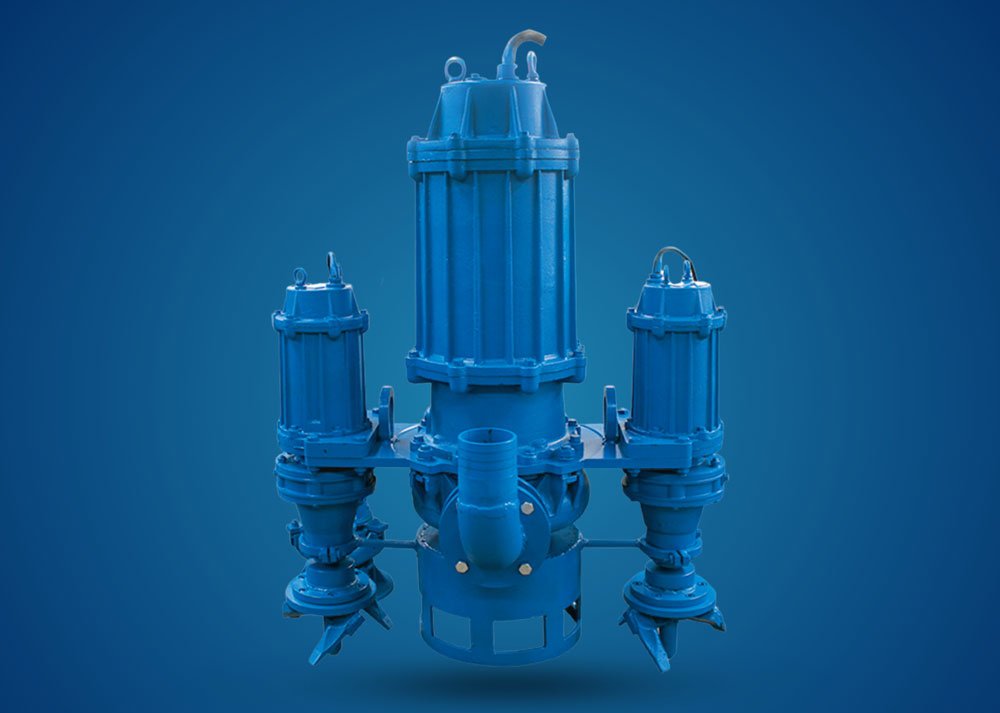
Slurry pumps, gravel pumps, and submersible slurry delivery solutions for handling highly abrasive, high-density solids.
Industrial Slurry Pumps for Mining, Dredging and High-Density Applications
Built for abrasive, high-solids slurry. Trusted performance Since 1948.
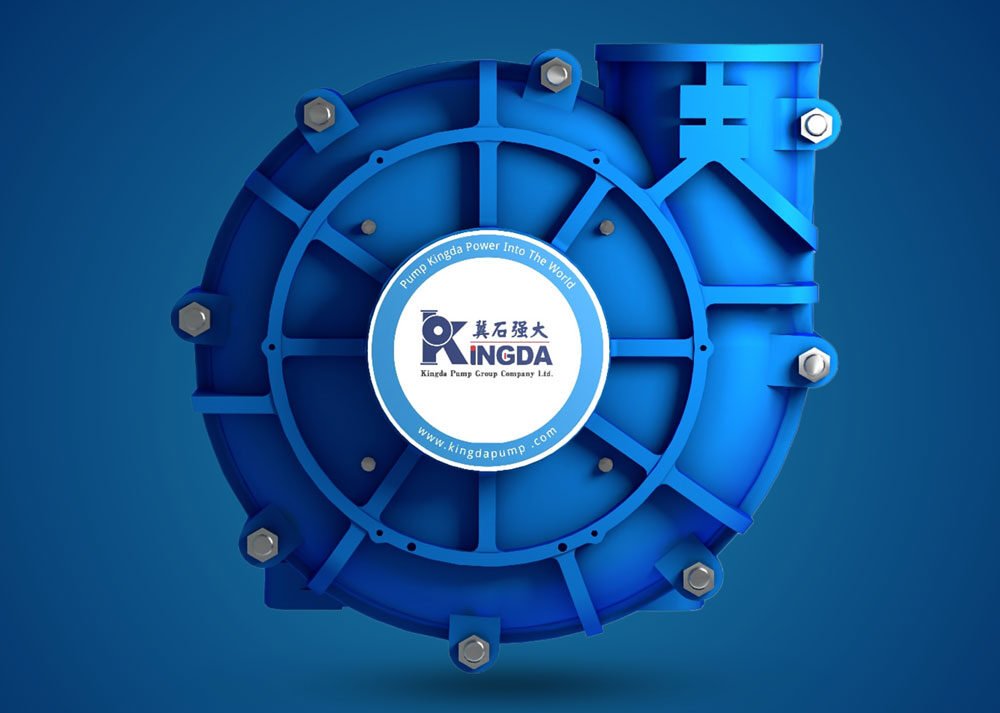
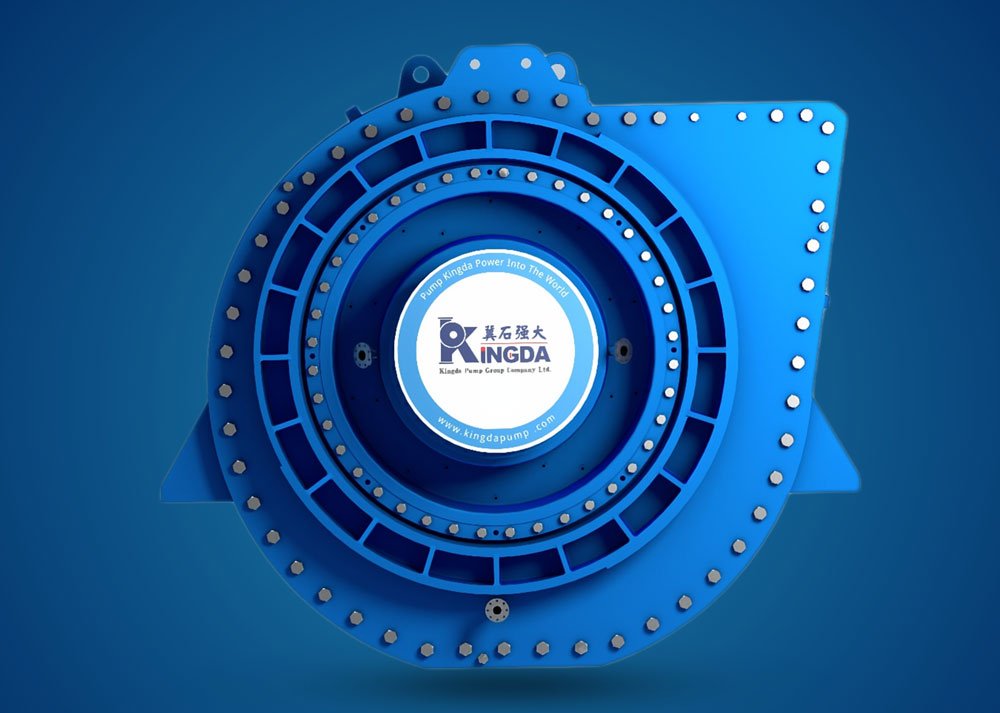
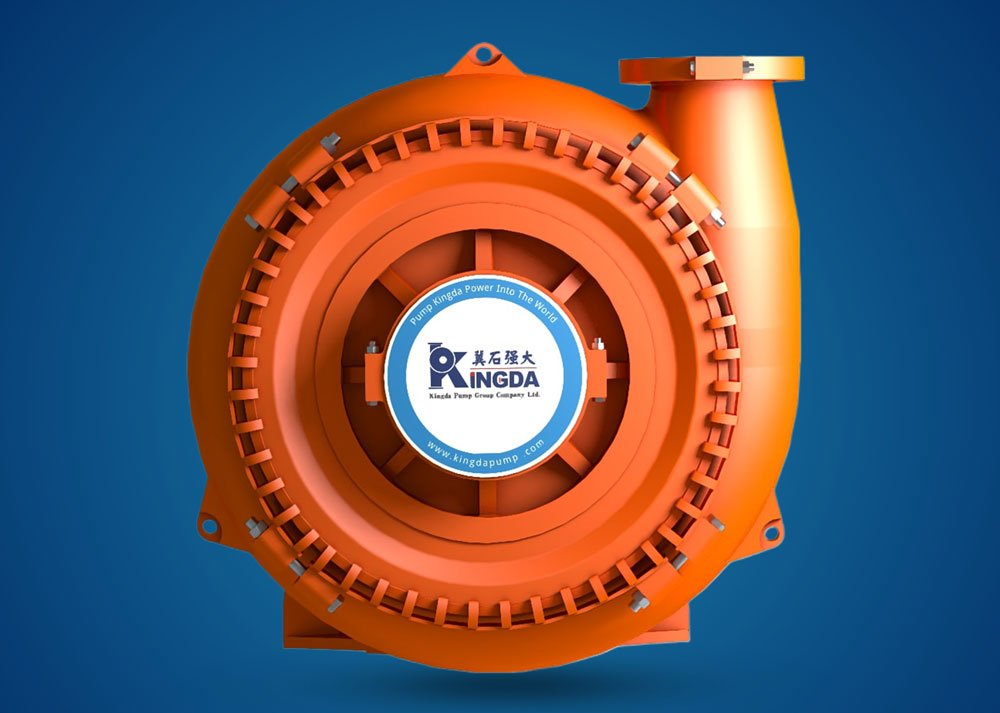
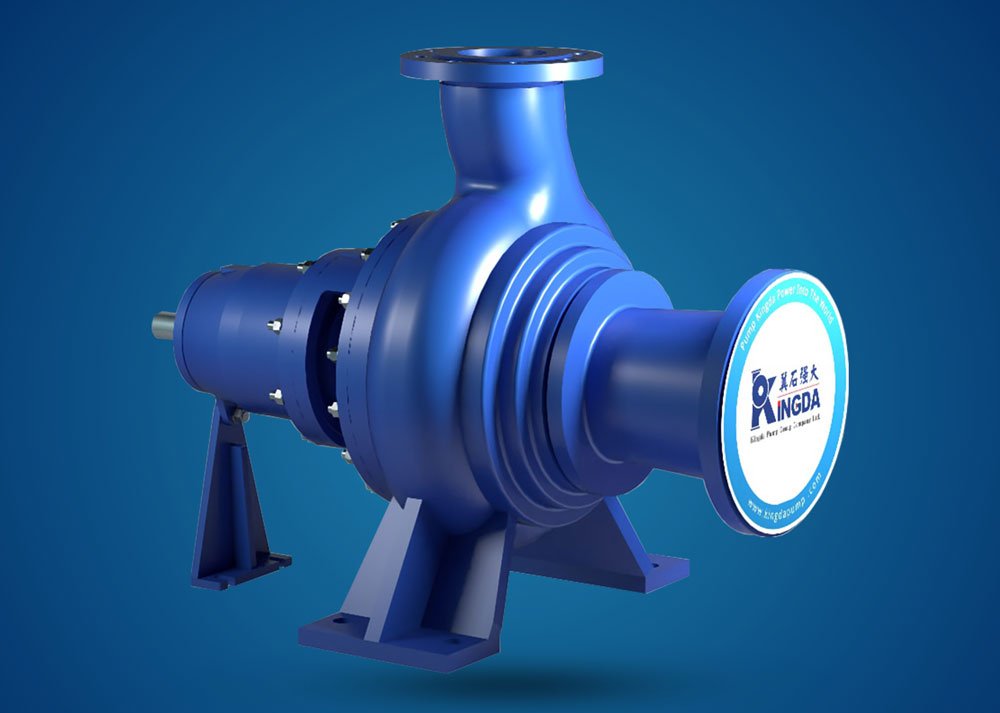
Decades of Expertise, Tailored Solutions
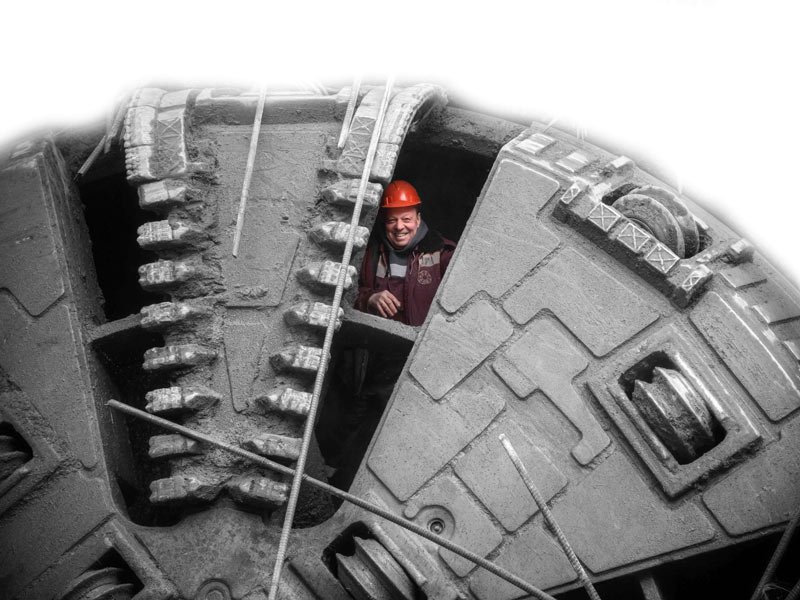
As a slurry pump manufacturer, we meet our customers’ diverse customization needs. Whether for mining, tunneling, metallurgy, dredging, or other specific working conditions, we tailor our products to meet the unique demands of each industry.
With advanced processing equipment and an experienced engineering team, we ensure the precise manufacture of components that meet our customers’ specifications. Whether it’s a large production run or a small order, we are committed to delivering high-quality products with on-time delivery.
Where Our Slurry Pumps Perform Best
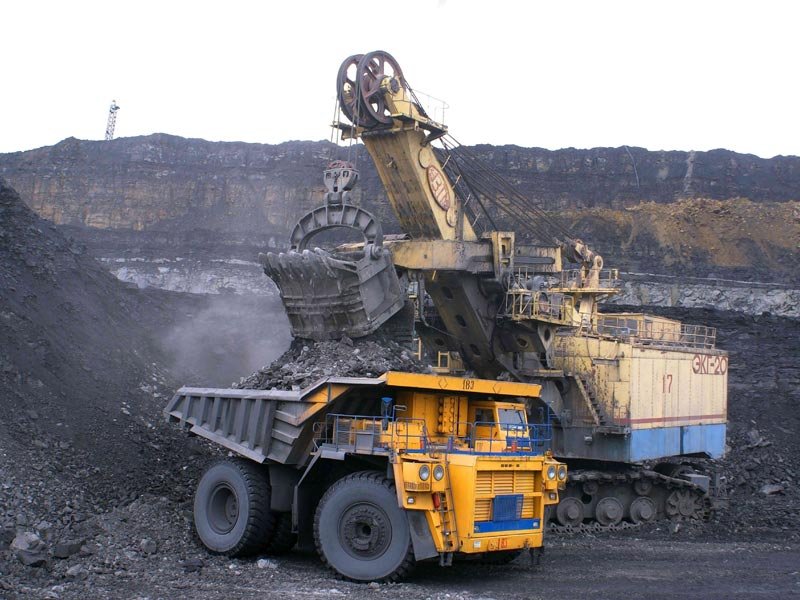
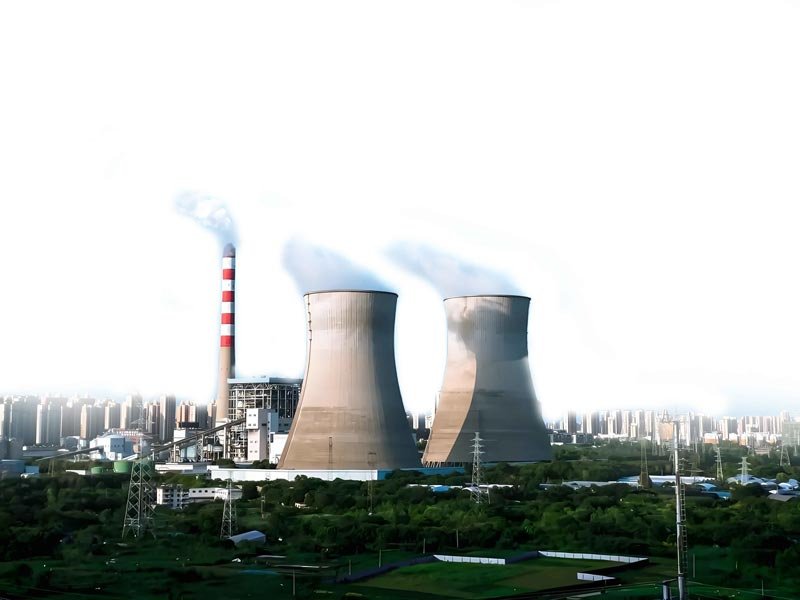
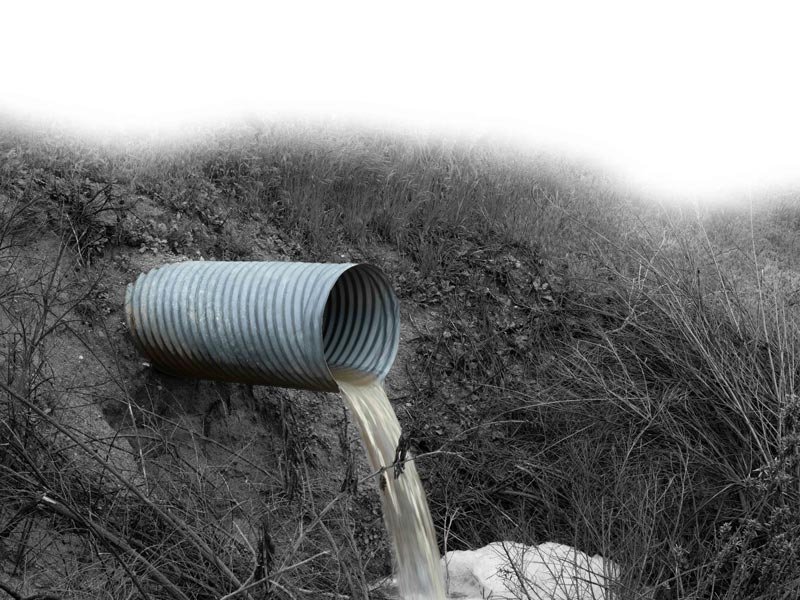
Kingda slurry pumps are designed for tough, abrasive slurries in industries like mining, power generation, and wastewater treatment. We customize solutions to meet your specific needs, ensuring reliability and efficiency in every application.
Proven in the Toughest Applications
Built for Highly Abrasive Slurries
Handles harsh, large-particle, abrasive conditions in mining and dredging applications.
Continuous Duty
Ensures 24/7 continuous operation with virtually no downtime.
Optimized Hydraulic Design
Higher efficiency translates to excellent energy savings and reduced operating costs.
Rugged and Durable Construction
The reinforced, heavy-duty structure ensures a longer service life in harsh environments.
78+ Years of Engineering Experience
Engineering & Technology Behind Our Slurry Pumps
Engineered for abrasion resistance, hydraulic efficiency, and long service life.
Wear-Resistant Materials
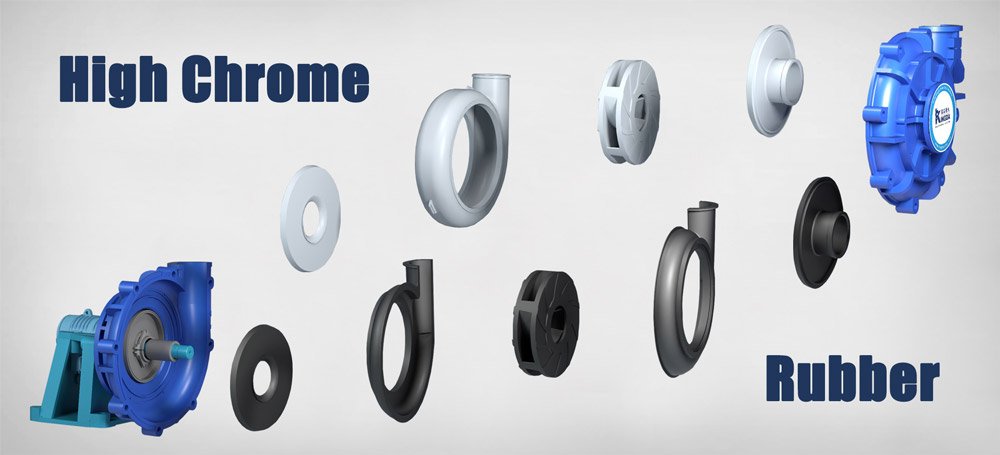
A wide range of wear-resistant and corrosion-resistant materials are available, including high-chromium alloys, ductile iron, rubber, and ceramics. Optimal materials are selected for different application scenarios to reduce maintenance frequency and maximize pump lifespan.
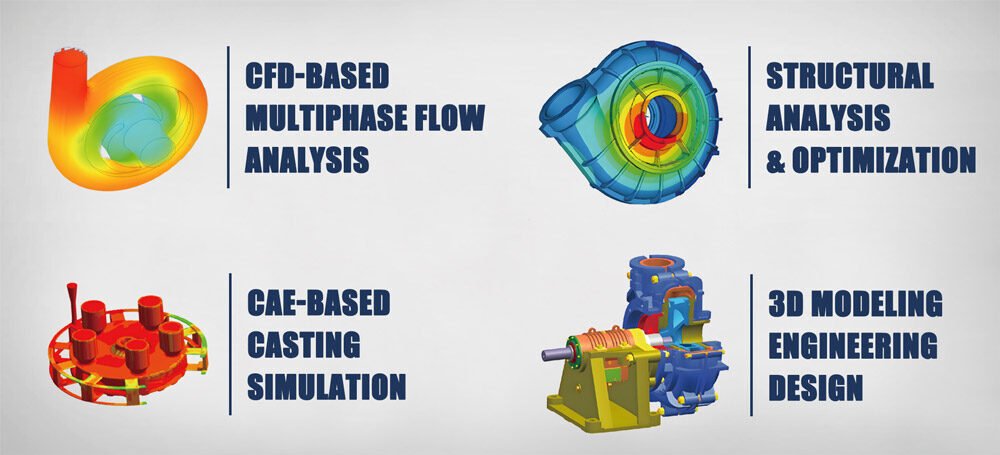
Optimized Hydraulic Design
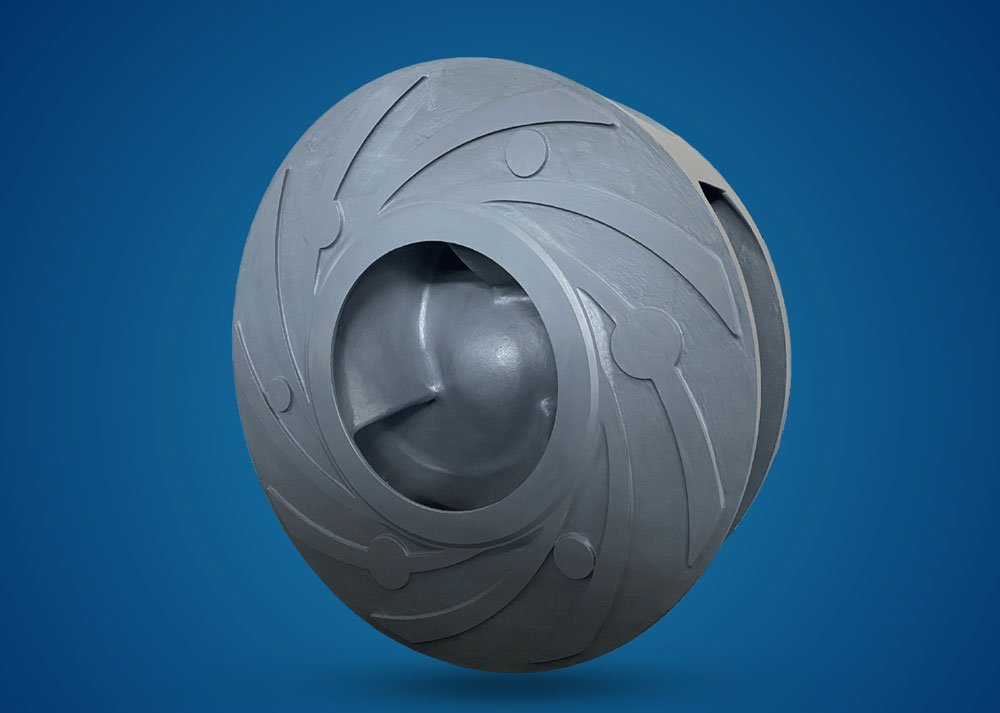
For high-density slurries and coarse particles, Kingda engineers have used proprietary technology to comprehensively optimize the impeller and flow channels, resulting in an innovative structure that improves the flowability of large slurry particles and significantly enhances anti-clogging performance.
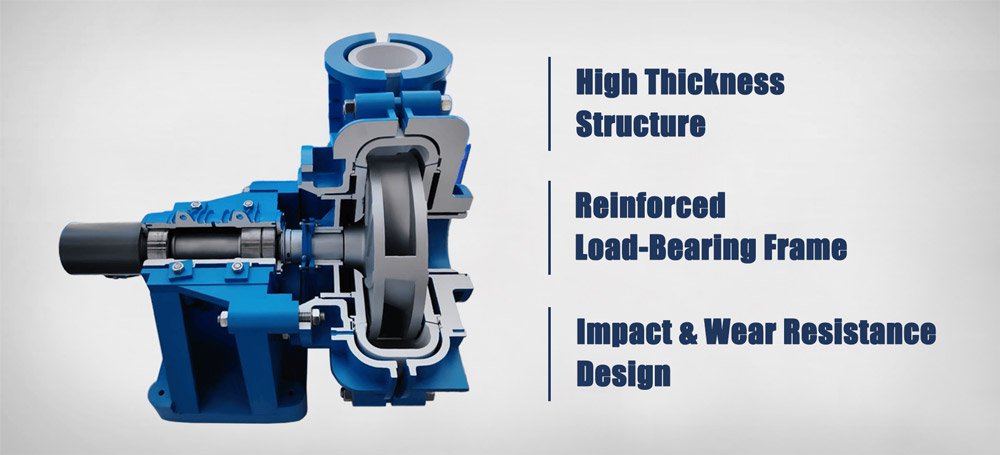
Heavy-Duty Structural Design
To meet the harsh and demanding conveying environment, engineers have comprehensively improved the impact resistance of the heavy-duty structural design by thickening the shell and reinforcing the pump base, ensuring stable operation.

Intelligent Monitoring & Diagnostics
The intelligent monitoring system can monitor key parameters such as vibration, temperature, and pressure of the conveying equipment in real time. Users can predict the occurrence of failures earlier and even see the wear life of the impeller, which greatly reduces downtime.
How to Select a Slurry Pump?
- Flow Rate – Determines the volume and capacity of slurry to be conveyed, affecting the conveying capacity.
- Head – Determines the vertical height and distance the conveying system lifts the slurry.
- Particle Size – Affects the throughput of solids, ensuring no blockages or excessive friction occur.
- Slurry Concentration – Affects the slurry pump’s conveying efficiency and load.
Proper pump selection can improve pump efficiency and extend its service life.
Kingda Slurry Pump Real World Applications
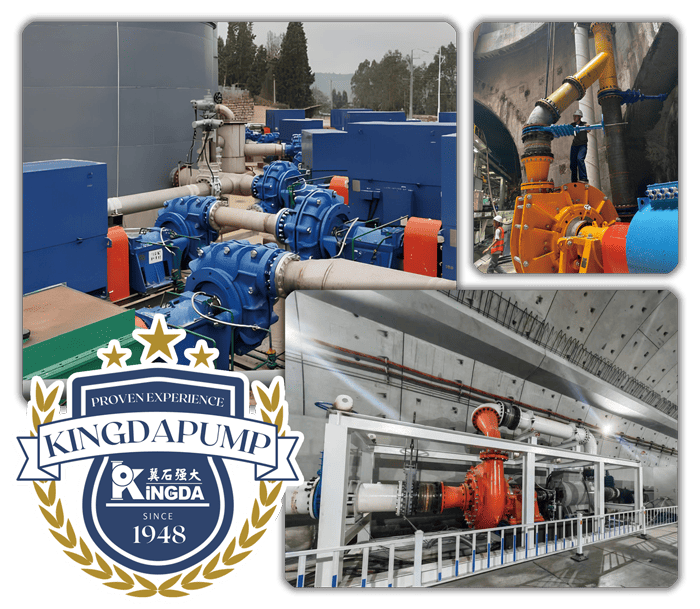
Kingda’s cooperation cases include custom pumps for dredging vessels, mining, tunnel boring, and desulfurization, driving performance and efficiency across industries.
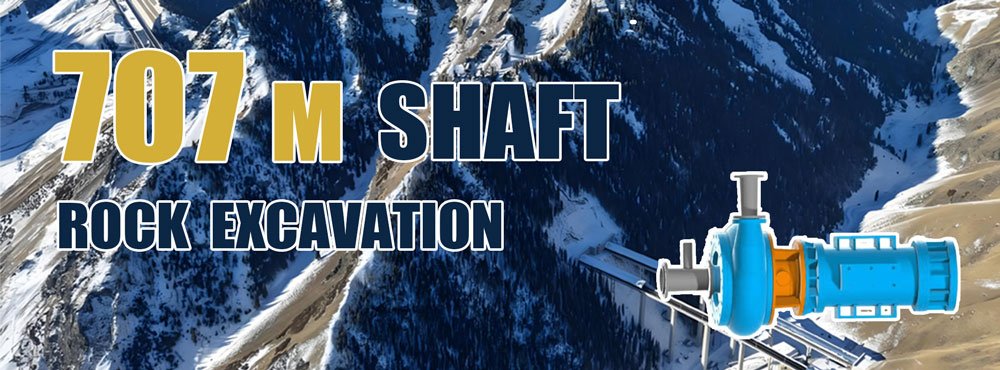
An ultra-deep ventilation shaft project requiring stable slurry transport under high head and high solids conditions.
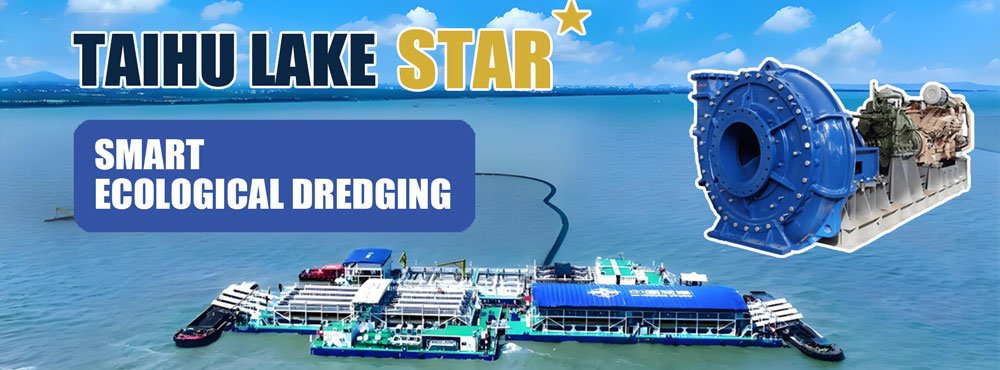
A large-scale lake dredging project requiring reliable slurry transport under continuous duty to support ecological restoration and sediment removal.
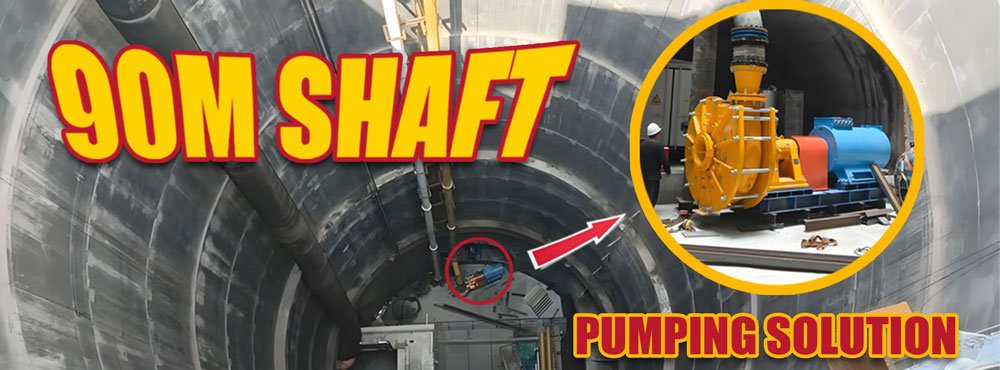
A deep metro shaft project requiring long-distance, high-head slurry pumping under high pressure and abrasive conditions to support tunnel excavation.
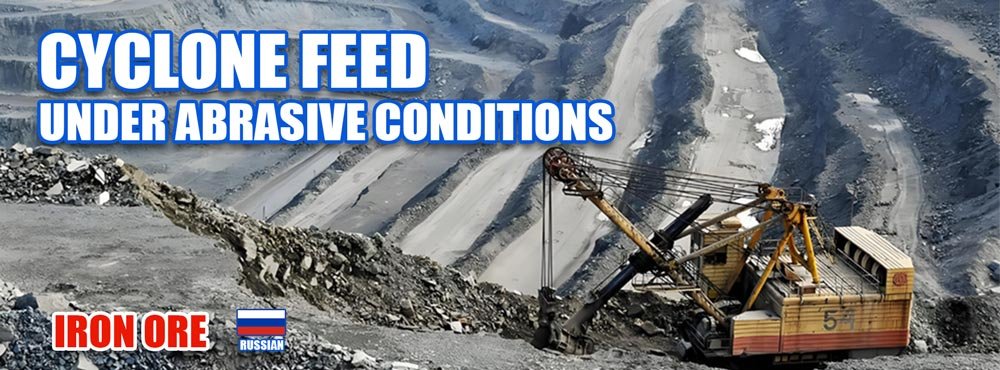
A Russian iron ore mine required stable slurry feed to hydrocyclones, ensuring continuous classification under abrasive conditions.
Since 1948, as one of China’s earliest slurry pump manufacturers, Kingda Pump Group have witnessed the evolution of slurry pumps. Over 70 years, we have served countless companies, creating indelible value for them.
We possess a complete manufacturing chain for slurry pumps, from design to casting, from pump installation to fluid delivery systems. Our expertise ensures reliable and efficient solutions tailored to your needs.
Kingda Pump Group’s 20,000㎡ factory produces approximately 10,000 pumps annually, demonstrating our outstanding manufacturing capabilities. Our projects span over 70 countries worldwide, ensuring you can access professional slurry delivery solutions wherever you are.
Full-Process Manufacturing Capability for Slurry Pumps
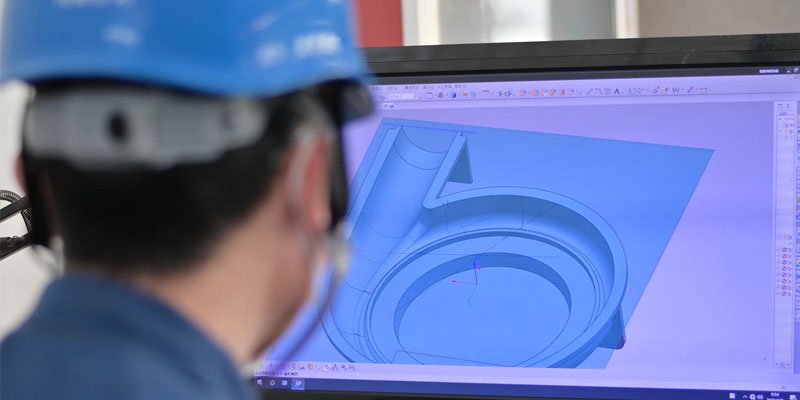
Pattern Making
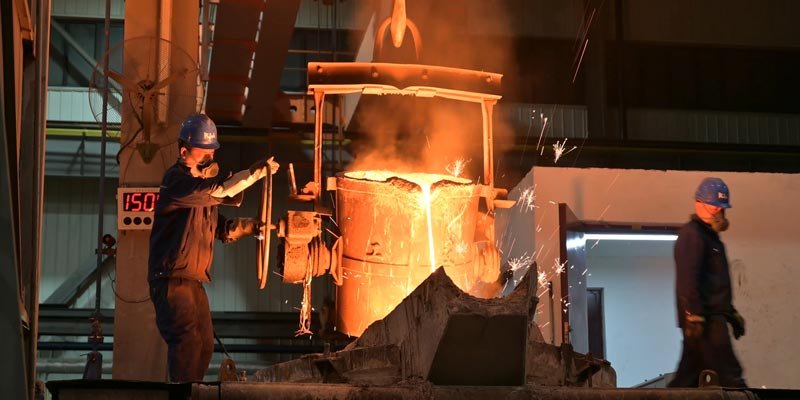
Casting
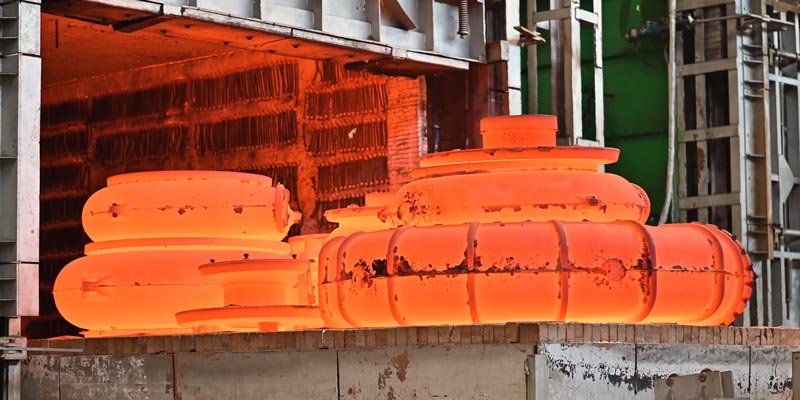
Heat Treatment
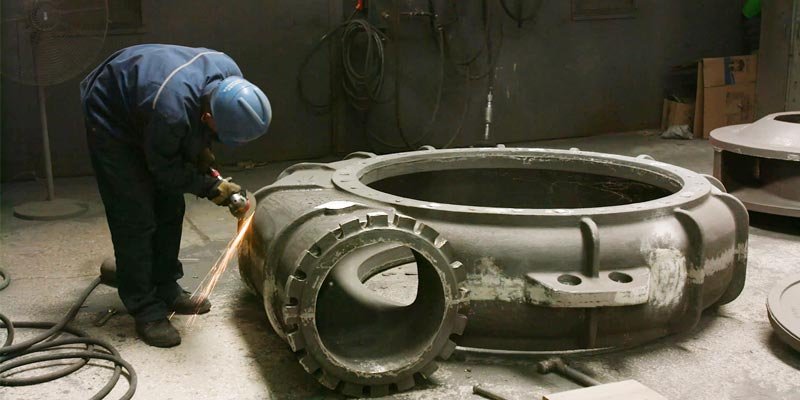
Plate Welding
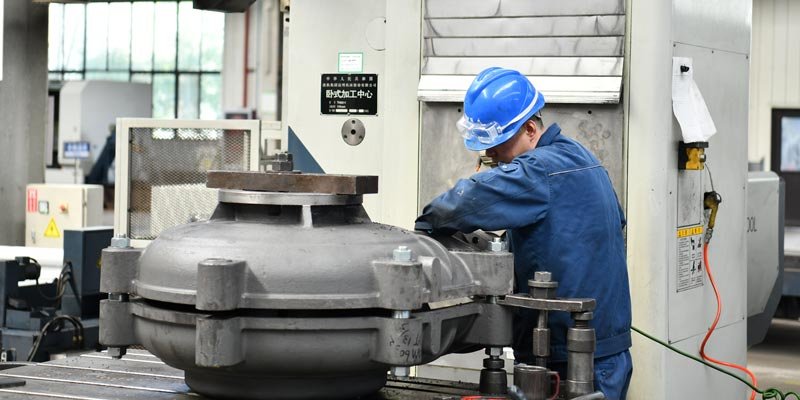
Machining
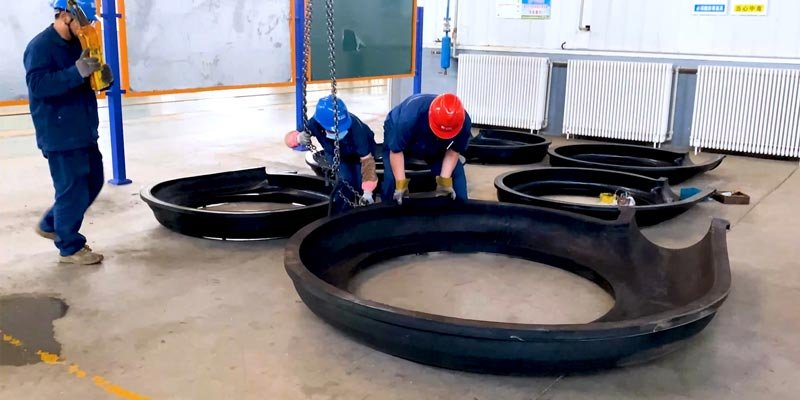
Rubber Lining
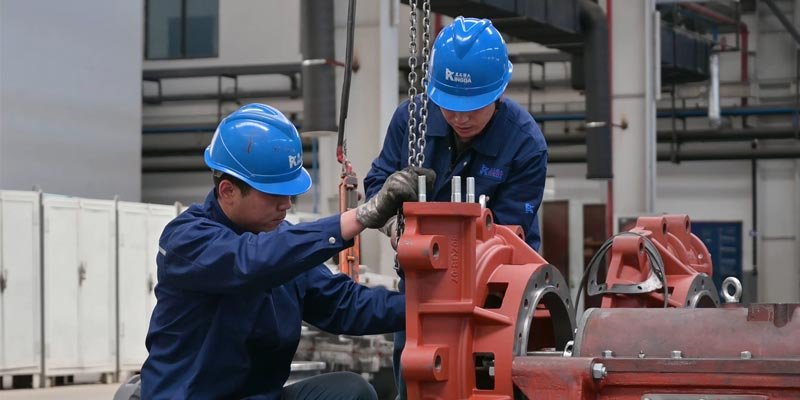
Assembly
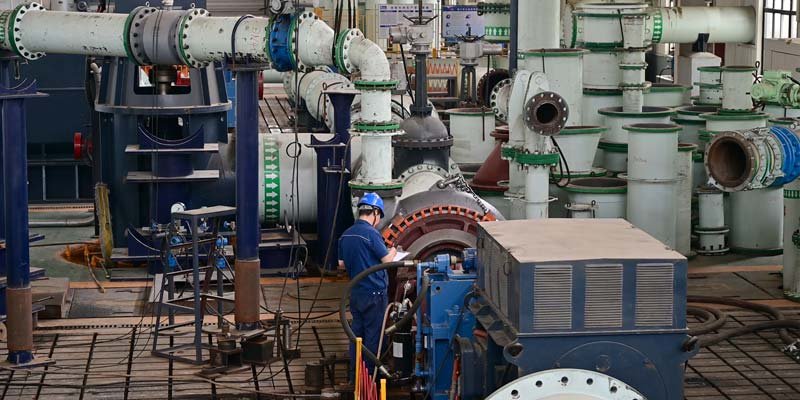
Performance Testing
Global Service, Technical Support & Lifecycle Solutions
● Expert Engineers – Seamless support, no language barrier
● Custom Pumps – Tailored to your needs
● Safe Shipping – Reinforced to prevent damage
● 24/7 Support – Always here to help
● Online Guidance – Quick, expert assistance
● Parts Replacement – Fast and efficient
● Flexible Payments – 30% prepaid option available
Get In Touch With An Expert
What is Dredging? How do Dredges Work?
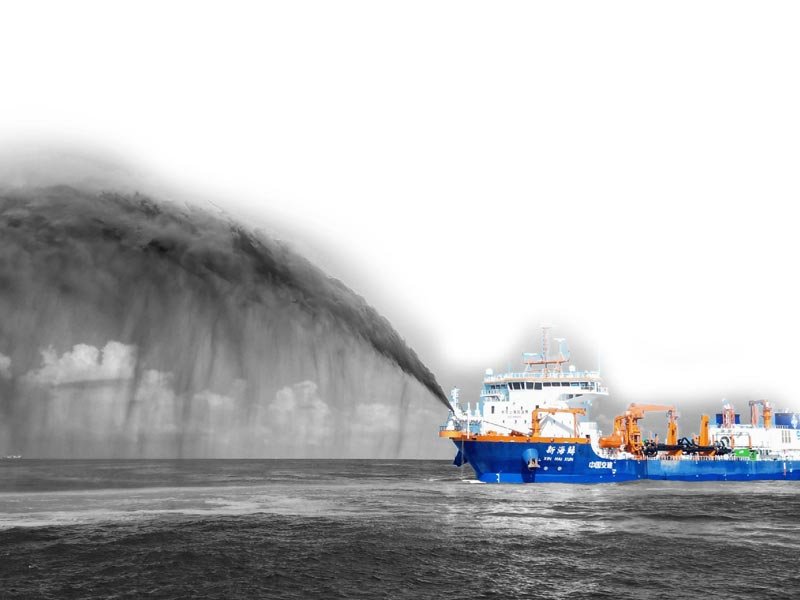
Dredging is the process of using mechanical equipment (dredger) to transport sediments such as garbage, gravel, and silt from the bottom of a lake to a waste treatment system or the shore. Dredging projects are commonly used for coastline maintenance, port construction, and land reclamation.
Dredging Process
- Dredging: During dredging, the dredger inserts a cutterhead deep into the lakebed or seabed, and by rotating the cutterhead, cuts the sediment into easily transportable material.
- Discharge: The dredged material is transported to a mud bin via pipeline or sprayed directly onto the shore by a dredger’s dredged pump.
How a Slurry Pump Works?
A slurry pump transports fluid by generating centrifugal force through impeller rotation.
Slurry Pump Working Principle
- Suction: The impeller generates centrifugal force through high-speed rotation. Under the action of centrifugal force, a low-pressure zone is formed inside the pump, drawing the slurry into the pump.
- Pressure: Under the action of centrifugal force, the slurry moves at high speed around the impeller, and the pressure gradually increases.
- Discharge: The pressurized slurry moves to the pump outlet under the action of the impeller and finally flows into the discharge pipeline.
Trusted by 4,300+ Clients Worldwide




























Get free pump selection tips from Kingda experts.
Kingda is committed to providing the best fluid transfer solutions.
Contact Kingda for a free quote, pump selection, engineering advice, and pump maintenance tips.
FAQ
A slurry pump is a specialized pump with a heavy-duty structure and strong wear and corrosion resistance. It is typically used to transport slurries containing solid particles.
Slurry pumps have a more robust structure, making them suitable for transporting slurry in harsh environments. Impellers and other wet end parts can be made of wear-resistant materials such as high-chromium alloys and rubber. They are commonly used in mining, dredging, and tunnel boring projects to transport abrasive and corrosive slurries.
Slurry pumps possess excellent abrasion and corrosion resistance, and are used to transport abrasive slurries containing solid particles. They are commonly used in mining, dredging, tunnel boring, and other industries to transport solid-liquid mixtures such as tailings, mud, slurry, and industrial wastewater.
Slurry pumps and dredging pumps are both heavy-duty centrifugal pumps, but their main difference lies in their application areas.
Slurry pumps are more commonly used in mining and some industrial wastewater treatment to transport abrasive slurries. Dredging pumps, on the other hand, are more commonly used in dredging operations to transport sand, gravel, silt, and other similar materials. Dredging pumps offer greater installation flexibility, and there are also submersible dredging pumps that can operate underwater.