Cement Slurry Pump
Kingda cement slurry pumps are renowned for their wear resistance and robustness, enabling long-term transport of solid-liquid mixtures such as cement while effectively preventing the settling of solid particles.
The wear parts of the cement slurry pump are made of wear-resistant alloys, allowing for use in the harshest environments and maximizing service life.
What is a Cement Slurry Pump?
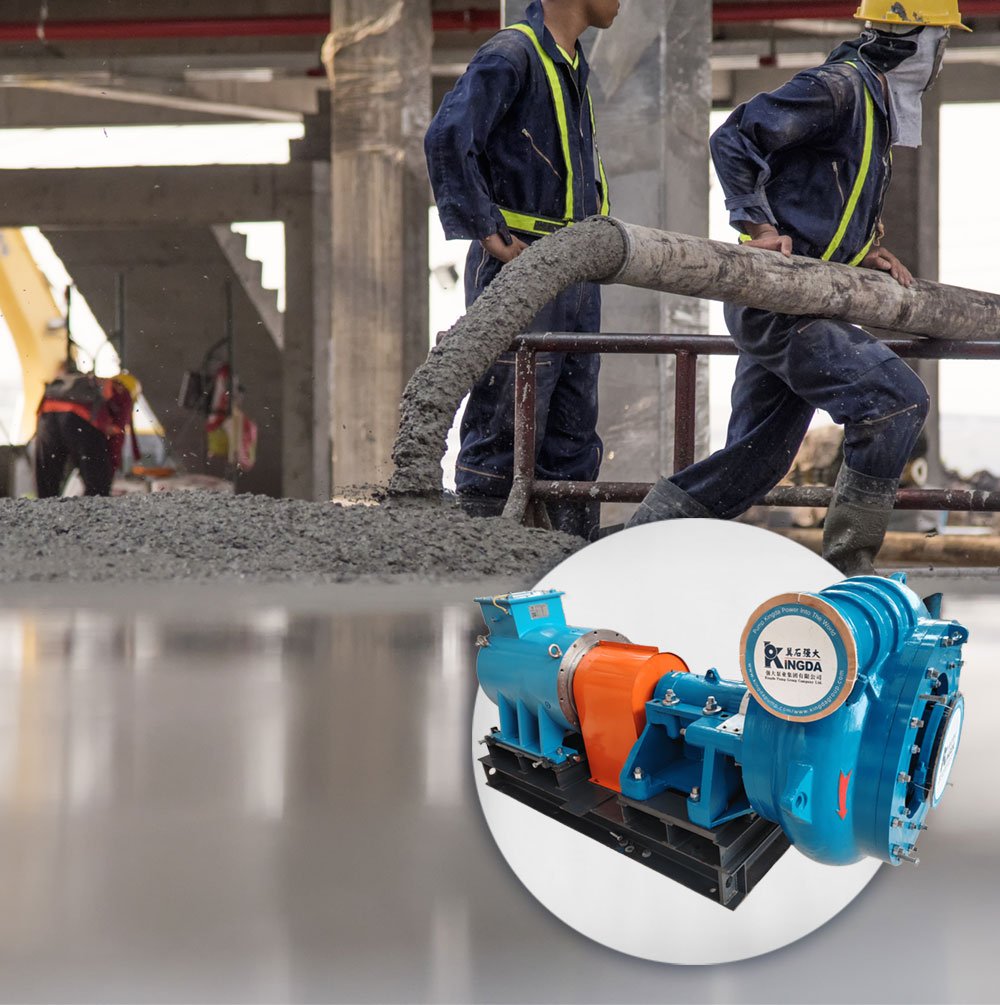
A cement slurry pump is a specialized, abrasion-resistant pumping device for conveying cement, slurry, and mortar, commonly used in construction, mining, and tunnel boring machines.
Main types include centrifugal slurry pumps, peristaltic (hose) pumps, diaphragm pumps, progressive cavity pumps, piston pumps, and grouting pumps.
These cement slurry pumps efficiently handle slurries containing solids and are characterized by stability and abrasion resistance. Their high-chromium alloy and rubber materials maximize their service life.
Cement Slurry Pumping Challenges
Engineers with experience pumping cement slurry know that cement slurry is a slurry with many abrasive particles. The high concentration and suspended particles make cement slurry similar to a non-Newtonian fluid, which means that pumping cement slurry will face many challenges.
Clogging
High-concentration particles cause the slurry to flow very slowly. Due to gravity, once the flow rate falls below the conveying standard, the particles will settle, eventually causing clogging.
Abrasion
Hard, irregular particles in the slurry, moving at high speeds, will cause severe friction against the pipe walls, impeller, and pump body, resulting in varying degrees of equipment erosion.
High Energy Consumption
Unlike clean water, high-concentration slurry moves much slower, meaning that moving it requires significantly more energy, placing a considerable strain on the performance of the motor and pump
Types of Cement Slurry Pumps
Centrifugal Slurry Pumps (Most Common Choice)
Horizontal Slurry Pump
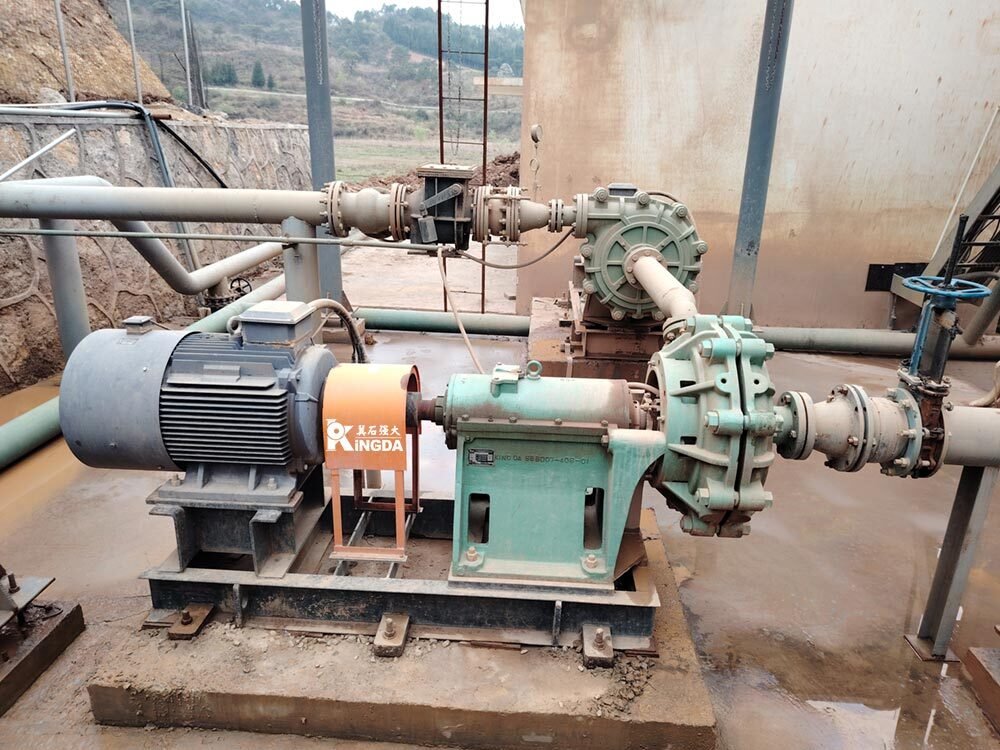
The Horizontal Slurry Pump features a heavy-duty, wear-resistant design. Its horizontal structure provides greater stability and strong abrasive handling capabilities, making it suitable for long-distance slurry transportation in cement plants and other similar applications.
Vertical Slurry Pump
Vertical slurry pumps are installed vertically, with the pump body operating directly in the slurry, eliminating the risk of leakage and making them more suitable for use in cement slurry collection tanks and settling tanks.
Submersible Slurry Pump
The Submersible slurry pump features a one-piece design integrating the motor and pump, allowing it to operate while immersed in the slurry. Equipped with a mixer, it offers higher delivery efficiency, flexible installation, and is suitable for use in tunnel construction or emergency slurry treatment.
Positive Displacement Pumps (Alternative Options)
Peristaltic (Hose) Pump
Peristaltic pumps move slurry by squeezing a hose, making them suitable for conveying abrasive slurries. However, they have relatively low flow rates and pressures, making them suitable for low-flow-rate applications.
Diaphragm Pump
Diaphragm pumps propel fluids through the reciprocating motion of a diaphragm within the pump. They are suitable for abrasive, small-particle slurries, have low flow rates, and are not suitable for highly abrasive slurries.
Piston / Grouting Pump
Piston pumps move grout by reciprocating the motion of a piston inside the pump. Piston pumps have very high pressure and are suitable for high-pressure transportation, such as grouting, tunnel construction, and foundation reinforcement.
Which Pump Type Is Best for Cement Slurry?
Through the above explanation of cement slurry pump types, we have gained a general understanding of the characteristics and limitations of each type.
There are two main types of cement slurry pumps: centrifugal slurry pumps and positive displacement pumps. Positive displacement pumps are primarily used in low-flow and low-abrasion conditions, limiting their applicability.
Centrifugal slurry pumps feature a more robust structure. High-chromium alloy materials ensure their ability to operate in the harshest environments, and large-diameter anti-clogging impellers enable them to effectively handle high flow rates and long operating times.
Looking for the right cement slurry pump for your application?
Send your drawings, flow rate, head, or slurry details to info@kingdagroup.com — our engineers will provide a fast, tailored solution and quotation.
Taking the centrifugal slurry pump, the most common type of slurry pump, as an example, the working principle of a centrifugal pump is as follows: mechanical energy is transmitted from an electric motor or diesel engine to the impeller via the pump shaft. The rotating impeller then generates centrifugal force.
Through this centrifugal force, the slurry moves at high speed within the volute-shaped pump casing. As the flow channel gradually narrows, the pressure of the slurry increases, and eventually, the slurry moves from the outlet into the pipeline.
Key Features of Kingda Cement Slurry Pumps
High Wear Resistance
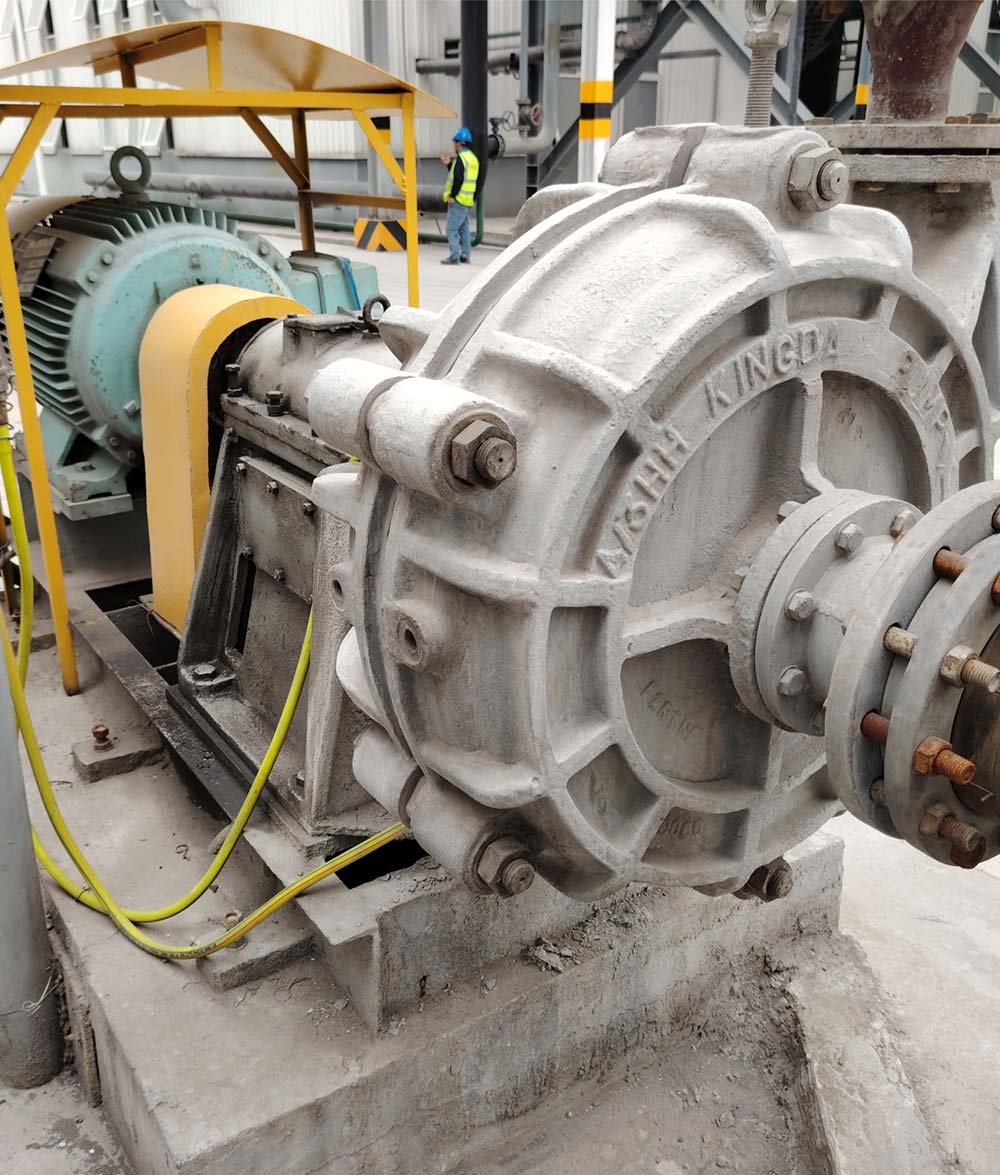
The wear parts of the Kingda cement slurry pump are made of high-chromium alloy or rubber, offering excellent wear resistance to withstand prolonged abrasion from hard particles.
Anti-Clogging
To achieve clog-free performance, Kingda engineers increased the impeller blade diameter and widened the flow channel, allowing even large solid particles to pass through smoothly.
Reliable Sealing System
Packing seal, mechanical seal, and expeller seal are available as options to ensure leak-free operation. Reliability and stability are our guiding principles.
Heavy-Duty Construction
The heavy-duty design provides unparalleled robustness, combined with Kingda's wear-resistant alloy materials, resulting in stable, efficient pumping and an extremely long service life.
Easy Maintenance Design
Each of our pumps features a modular design, simplifying maintenance and significantly reducing spare parts costs, minimizing user operating costs.
Applications of Cement Slurry Pumps
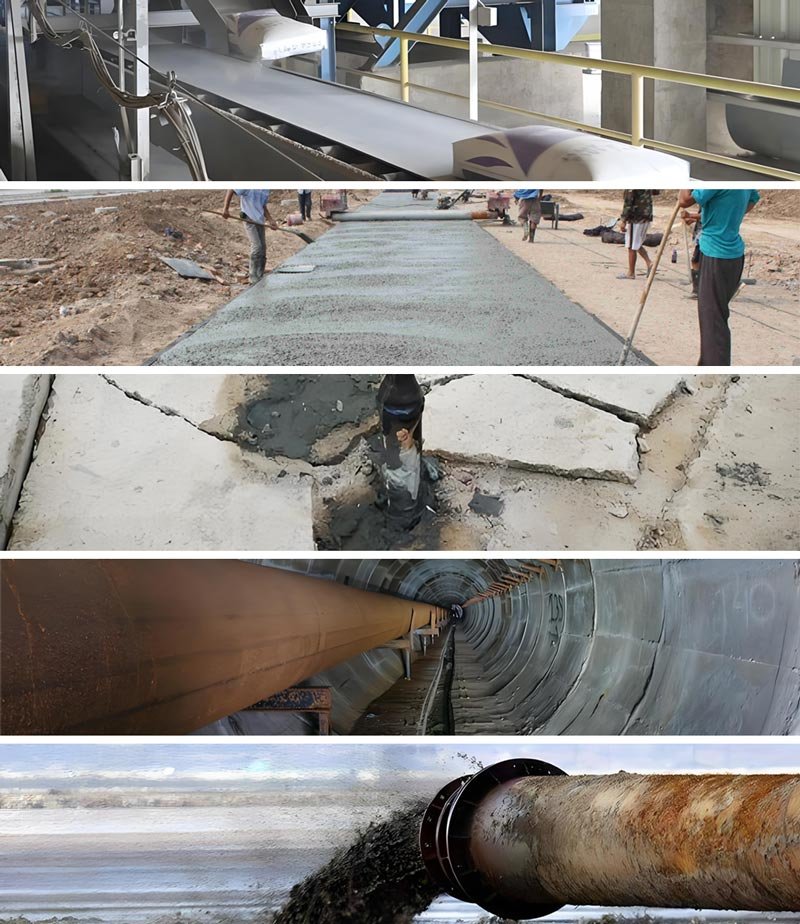
Cement Plant Processing
In cement plants, cement slurry pumps are primarily used to transport slurry from the mill outlet and serve as circulation pumps between different processes. This stage requires pumps that are sufficiently wear-resistant and capable of long-term operation.
Concrete Production & Transport
In this process, cement slurry pumps are mainly used to transport cement slurry before concrete preparation, preventing slurry settling and pipe blockage.
Grouting & Injection Engineering
Cement slurry pumps are widely used in foundation remediation and tunnel construction, injecting slurry stably under high pressure.
Mining & Tunneling
Cement slurry pumps are mainly used in tailings transportation and tunnel slurry systems, capable of handling extremely harsh transportation environments and meeting the needs of long-distance transportation.
Waste Slurry Handling
Waste slurry in industrial manufacturing processes contains a large number of particles, which are prone to settling and blockage. Cement slurry pumps effectively handle this waste slurry.
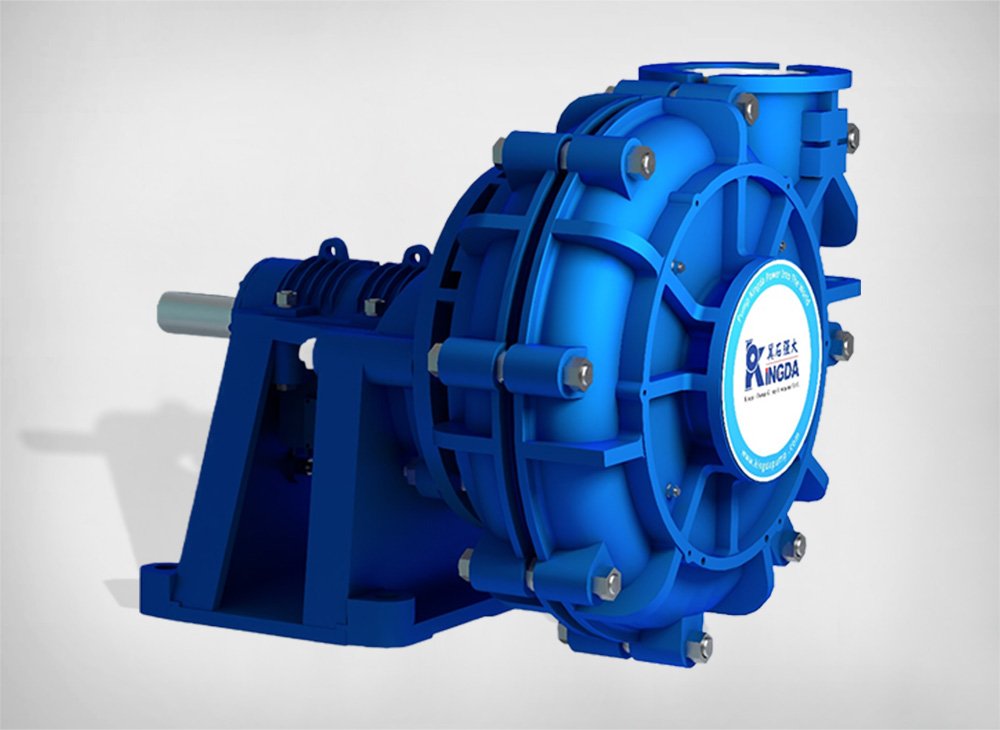
Horizontal Cement Slurry Pump
🔸Discharge Diameter(mm): 20 ~ 650
🔸Capability(m³/h): 10 ~ 14000
🔸Head(m): 10 ~ 70
🔸Power(kW): 15 ~ 3000
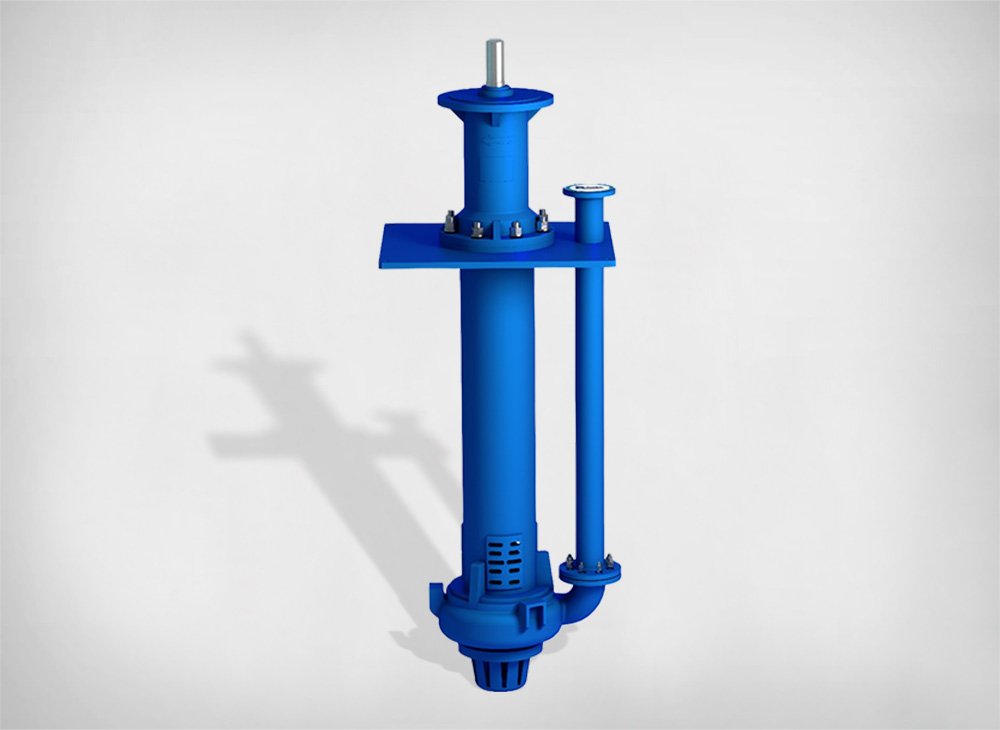
Vertical Cement Slurry Pump
🔸Discharge Diameter(mm): 40 ~ 300
🔸Capability(m³/h): 18 ~ 1267
🔸Head(m): 4 ~ 40
🔸Power(kW): 15 ~ 200
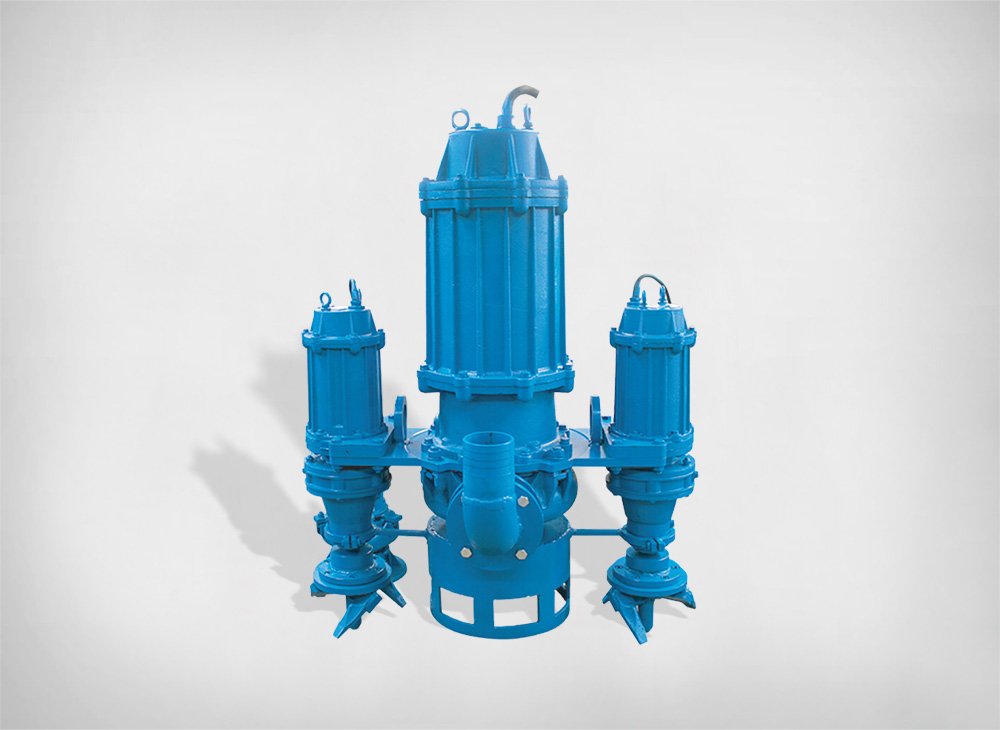
Submersible Cement Slurry Pump
🔸Discharge Diameter(mm): 50 ~ 350
🔸Capability(m³/h): 30 ~ 3500
🔸Head(m): 10 ~ 120
🔸Power(kW): 3 ~ 55
Typical Pump Materials & Configuration Options
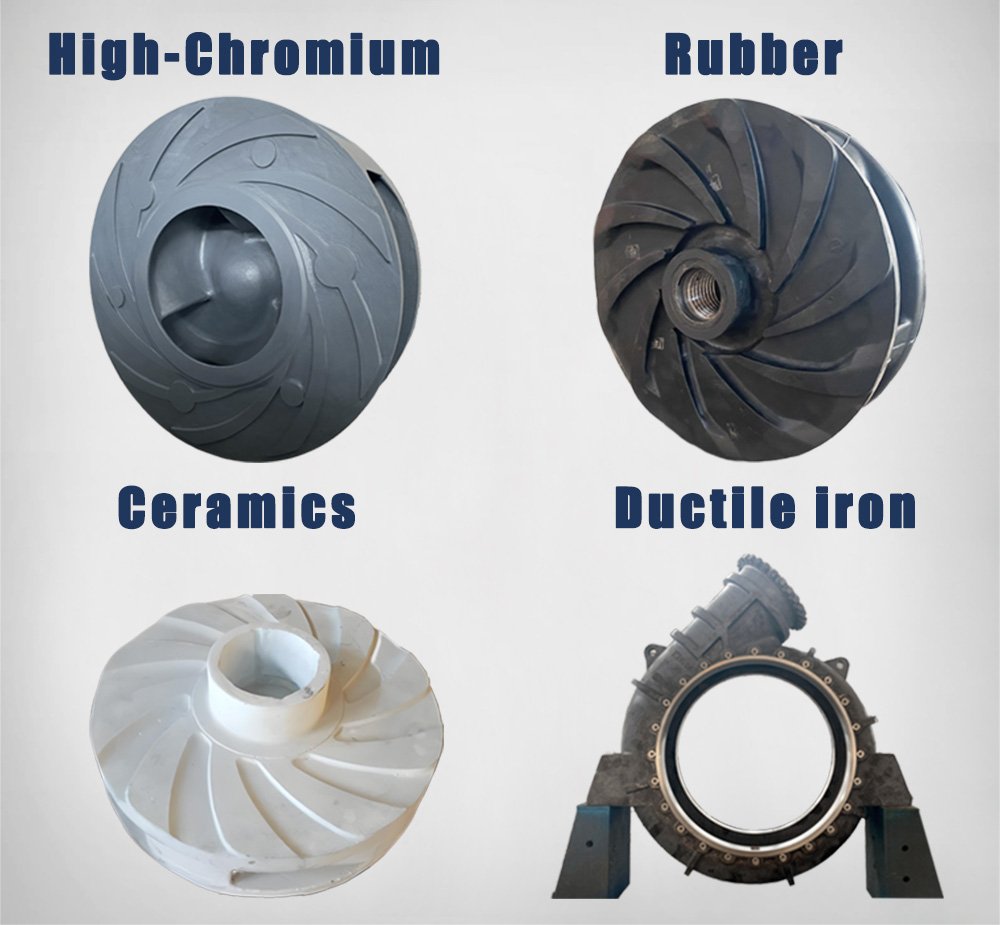
To ensure the long-term, stable, and efficient delivery of highly abrasive cement slurry pumps, Kingda’s materials R&D engineers have developed ultra-wear-resistant alloys, elastic rubbers, and ceramics. This variety of material options maximizes pump lifespan.
In the most wear-prone areas of the pump, such as the impeller and volute, high-chromium alloy wear-resistant materials are used. When high-speed, hard particles impact the metal, an inert film forms on the metal surface, preventing the particles from cutting the metal.
Kingda engineers select the most suitable materials based on the specific project conditions to ensure an exceptionally long service life, reduce maintenance frequency, and further reduce user operating costs.
China Cement Slurry Pump Manufacturer, Since 1948
As one of China’s earliest cement slurry pump manufacturers, we have focused on slurry transportation since 1948. From sewage and mud to cement and even mineral slurry, our pumps are ubiquitous.
With over 70 years of development, we have accumulated unparalleled project experience, ensuring that our expertise can meet your stringent slurry transportation needs.
Kingda boasts a team of experienced and knowledgeable after-sales engineers who will provide solutions as quickly as possible when pumps malfunction, minimizing losses for our users.
Cement Slurry Pumps Spares & Parts
| Wet End Wear Parts | Bearing Parts | Shaft Seal Parts | Other Parts |
|---|---|---|---|
| | |||
| | | ||
| | | ||
| | | | |
| | | | |
| | | |
FAQ
| Pump Type | Medium | Flow & Pressure | Best For |
|---|---|---|---|
| Cement Slurry Pump | Cement grout (containing fine particles) | High flow rate, medium to low pressure | Long-term transportation of cement slurry and mud |
| Concrete Pump | Concrete (containing large particles) | High pressure, medium flow | Intermittent delivery of concrete containing large aggregates |
| Grouting Pump | Cement grout, chemical grout (high viscosity) | High pressure, low flow | High-pressure casting and spraying of fine-particle slurry |
As the viscosity of cement slurry increases, the fluid flow resistance also increases. To propel the fluid, the cement slurry pump experiences a sharp increase in power consumption, leading to a decrease in flow rate, intermittent flow, and even pipe blockage.
Prolonged operation of this pump can cause the motor to stop working and may even result in serious equipment damage. When transporting high-viscosity slurries, it is essential to monitor the slurry parameters in real time to ensure stable and efficient pump operation.
Get free pump selection tips from Kingda experts.
Kingda is committed to providing the best fluid transfer solutions.
Contact Kingda for a free quote, pump selection, engineering advice, and pump maintenance tips.