Background of the Lake Restoration Project
Taihu Lake is a major freshwater body in the Yangtze River Delta and a key ecological asset for regional water resource management.
Located on the northwest shore of the lake, Wuxi has implemented long-term dredging and sediment removal programs as part of its lake restoration and water quality improvement strategy.
These programs target the removal of nutrient-rich bottom sludge, improvement of water circulation, and support of wetland and shoreline ecological rehabilitation.
Dredging activities are mainly conducted in shallow and nearshore areas, requiring continuous transport of fine sediment mixed with organic matter.
Stable slurry transport is therefore a core technical requirement for sustaining large-scale lake dredging operations.
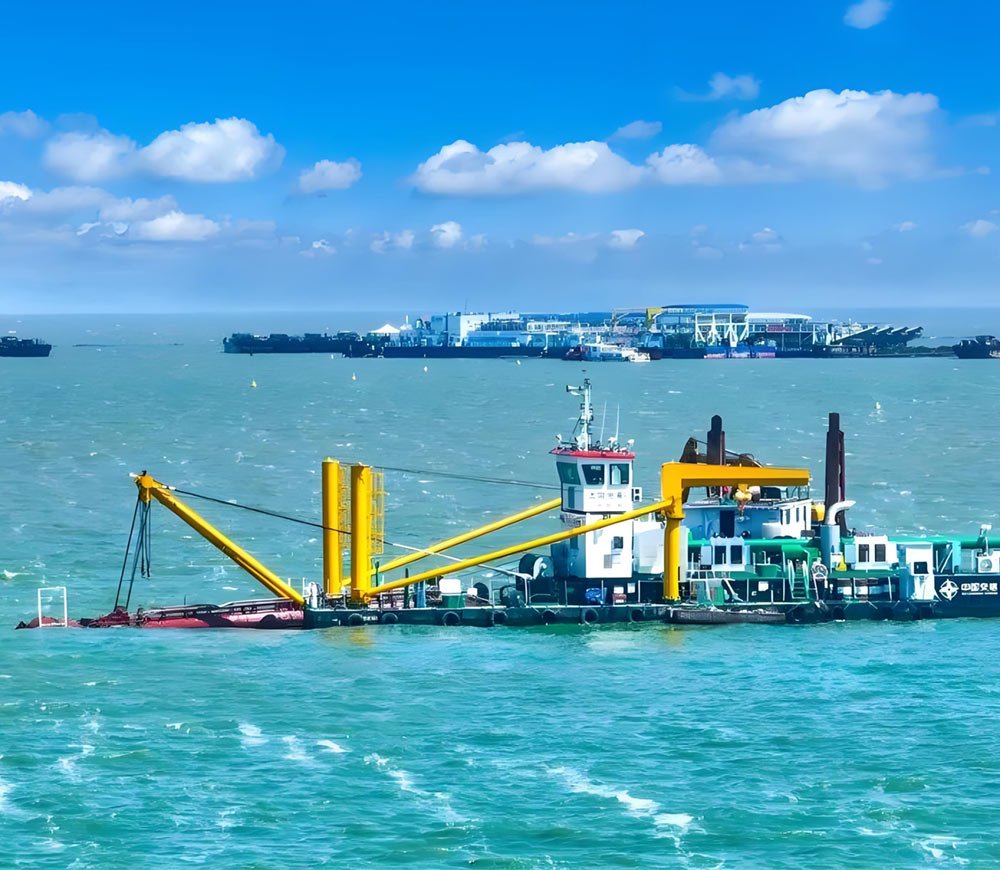
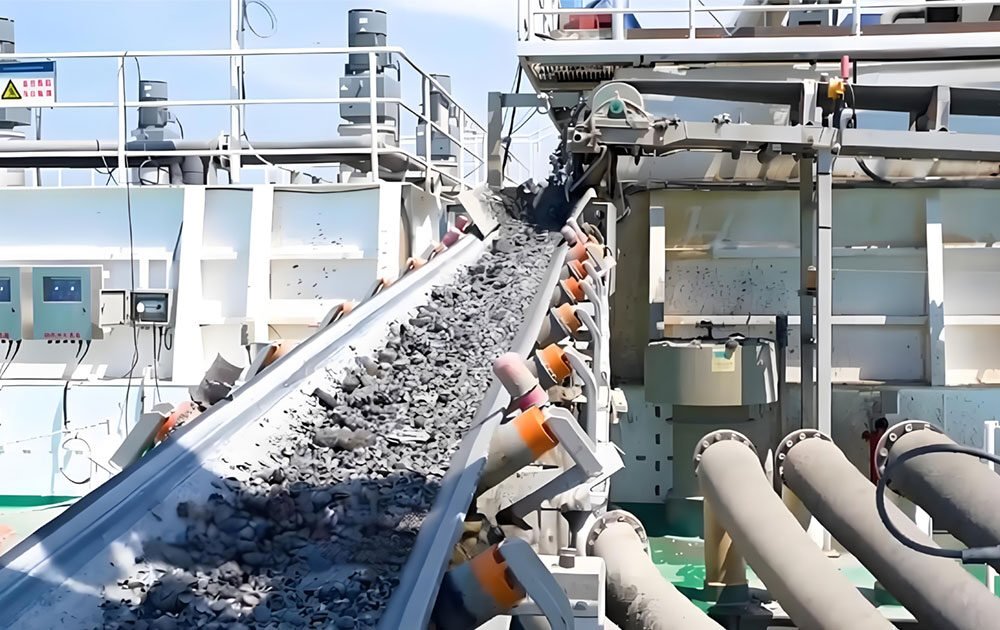
The dredging process presented multiple hydraulic and operational challenges:
- Slurry with fluctuating solids concentration and fine particle size
- Long-duration continuous operation with limited maintenance intervals
- Requirement for stable flow to match cutter suction and sediment collection processes
- Harsh operating environment with suspended abrasives and variable water levels
The pumping system was required to maintain consistent performance while limiting wear and avoiding frequent shutdowns that could interrupt dredging progress.
Kingda 350WNB Dredge Pump
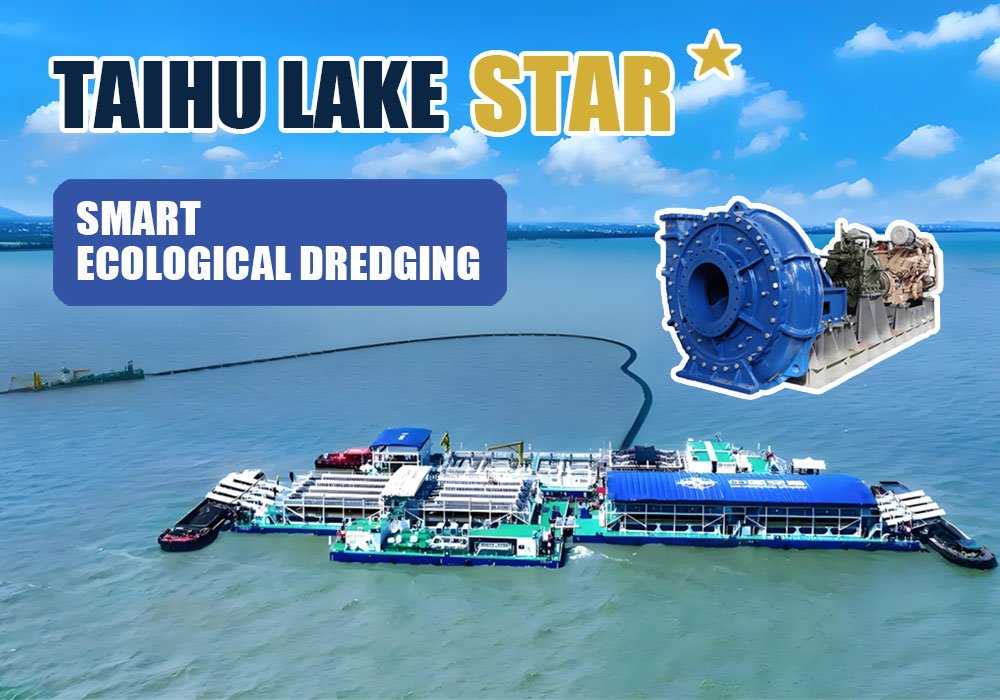
To support dredging and sludge transport, Kingda supplied the 350WNB dredge pump as the primary slurry transport unit.
The pump was selected for dredging and sediment transfer based on the following technical characteristics:
- Wide flow passage geometry for high-solids-content slurry
- Wear-resistant wetted components suitable for abrasive lake sediment
- Reinforced shaft and bearing structure for continuous-duty operation
- Stable hydraulic performance matched to cutter suction and sediment collection systems
During operation, the pump conveyed dredged slurry from the lakebed to designated disposal or treatment zones, maintaining stable discharge under variable slurry density conditions.
Performance Observed During Field Operation
Operational data and site observations indicated stable and reliable pumping performance throughout the dredging process:
- Pump service life showed a measurable increase compared with previous configurations
- Maintenance frequency was reduced due to lower wear rates of key components
- System availability improved, supporting uninterrupted dredging cycles
The pumping system maintained steady slurry transport during extended operating periods, contributing to consistent sediment removal and supporting long-term lake restoration objectives in the Taihu Lake region.
Share your application details with us to receive expert technical guidance and a customized pumping solution.
You can also request a consultation or download our PDF case collection.
Engineering Commentary from the Project Team
“Lake dredging places unique demands on slurry pumps because solids concentration and operating conditions change continuously,” noted a project engineer involved in the pumping system design.
“In this project, maintaining stable discharge while limiting wear was our primary concern.”
“The dredge pump had to operate for long hours without interruption, so hydraulic stability and mechanical durability were equally critical.
The results showed that proper pump selection and system matching can significantly reduce operational risk in environmental dredging projects.”
“From an engineering perspective, this case confirms that dredge pumps with wide flow passages, abrasion-resistant materials, and reinforced mechanical structures are well suited for continuous sediment transport in large freshwater lake restoration programs.”
Get free pump selection tips from Kingda experts.
Kingda is committed to providing the best fluid transfer solutions.
Contact Kingda for a free quote, pump selection, engineering advice, and pump maintenance tips.