Wastewater Treatment Pumping Solutions
Kingda provides professional and reliable municipal, industrial, and mining wastewater treatment pumping solutions.
What Is Wastewater Treatment?
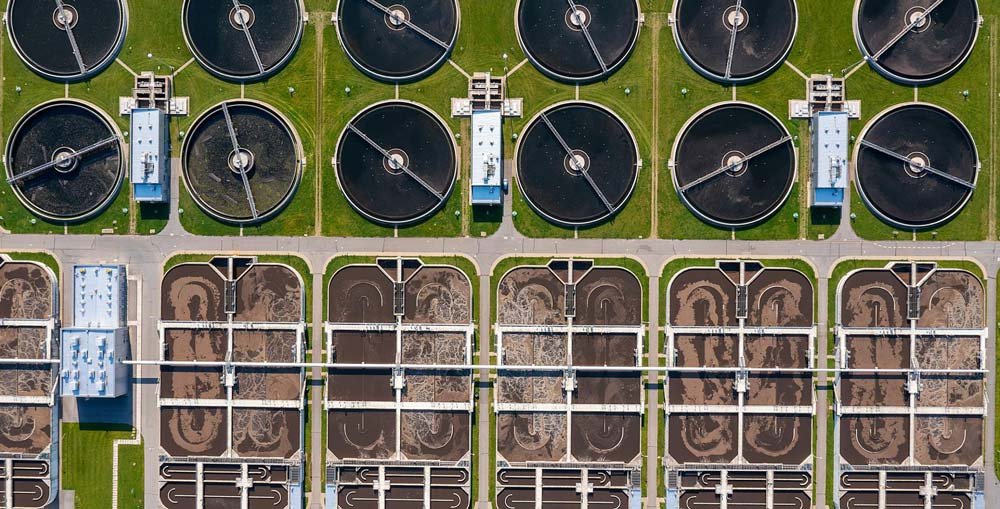
Wastewater treatment uses chemical and physical methods to remove solids, sludge, fibers, abrasive particles, and other harmful substances from wastewater, such as municipal, industrial, and mining wastewater, bringing the wastewater to a discharge standard and ensuring it is harmless to the environment.
The treated wastewater is then transported to rivers, ponds, or used for agricultural irrigation or resource recycling.
Common Pumping Challenges in Wastewater Treatment
Clogging
Clogging is the most common problem in wastewater treatment. Substances such as wet wipes, textile fibers, and plastic debris can easily clog pipes and even entangle impellers, ultimately leading to downtime.
Corrosion
Corrosion is also an unavoidable problem in the sewage treatment industry. Many types of wastewater are corrosive, such as chemical wastewater, acidic wastewater, and mine water. If they come into contact with pumping equipment for a long time, the metal will become thinner, eventually leading to equipment damage.
Abrasion
Industrial and mining wastewater contains a lot of sand, grit, and mineral particles. Long-term transportation of this wastewater will cause severe erosion and wear to pumping equipment and pipelines, requiring frequent maintenance and reducing the service life of the pumps.
High Solids Concentration
Thickened sludge, digested sludge, and dewatered sludge all have high solids content. These slurries have high density and viscosity, making them prone to settling and clogging, which seriously affects project progress and increases production costs.
The Kingda KWP non-clog wastewater pump is characterized by its high efficiency in treating suspended solids and fibers in wastewater.
Kingda wastewater solids handling pumps are specifically designed for municipal wastewater, industrial wastewater, chemical wastewater, and mining wastewater industries, and can excellently handle the demanding task of transporting industrial wastewater and sludge.
The wastewater solids handling pump features an anti-clogging impeller and a large-channel design to ensure smooth transport of solid wastewater.
Wastewater Treatment Process and Pumping Applications
Wastewater treatment processes typically include raw sewage transfer, grit removal, primary sludge transfer, activated sludge recirculation, and waste activated sludge transfer. Sludge transfer pumps, sewage sludge pumps, and sludge handling pumps excel in handling challenges such as wear and clogging.
Raw Sewage Transfer
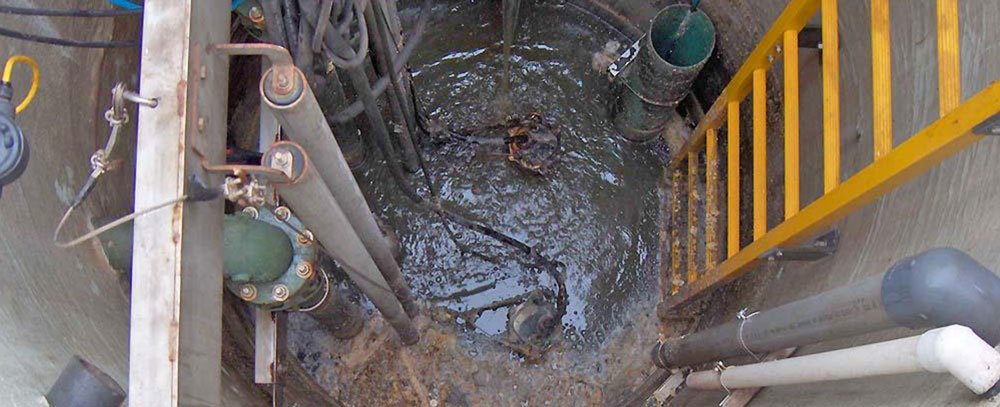
Raw sewage transfer is the first stage of a wastewater treatment plant, and the pumped media are relatively complex, such as sewage, rags, and fibers. These media are very prone to clogging and entanglement of the impeller. For this type of operation, we recommend using raw sewage pumps or influent pumps.
Grit Removal
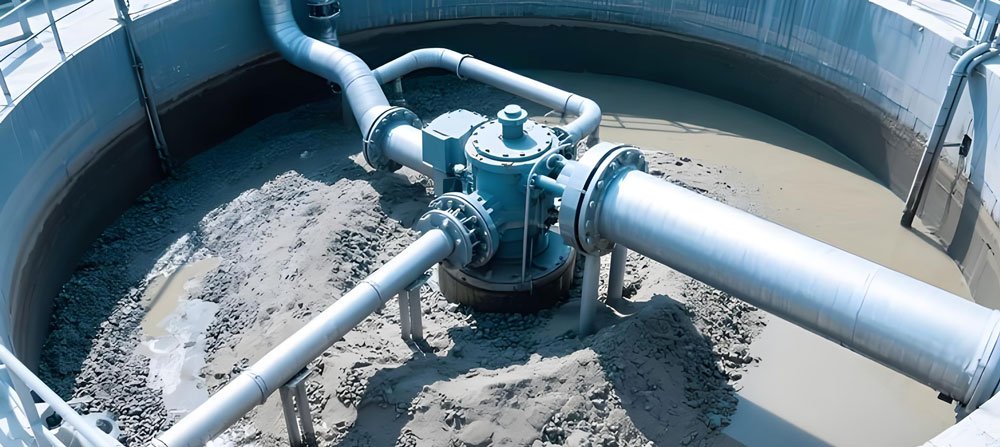
Grit removal is primarily used in grit chambers, where solids such as sand, gravel, and grit settle to the bottom and are pumped out using equipment such as gravel pumps, grit slurry pumps, and grit chamber pumps. These media are highly abrasive, with solid concentrations typically ranging from 6% to 32%, making them prone to clogging.
Primary Sludge Transfer
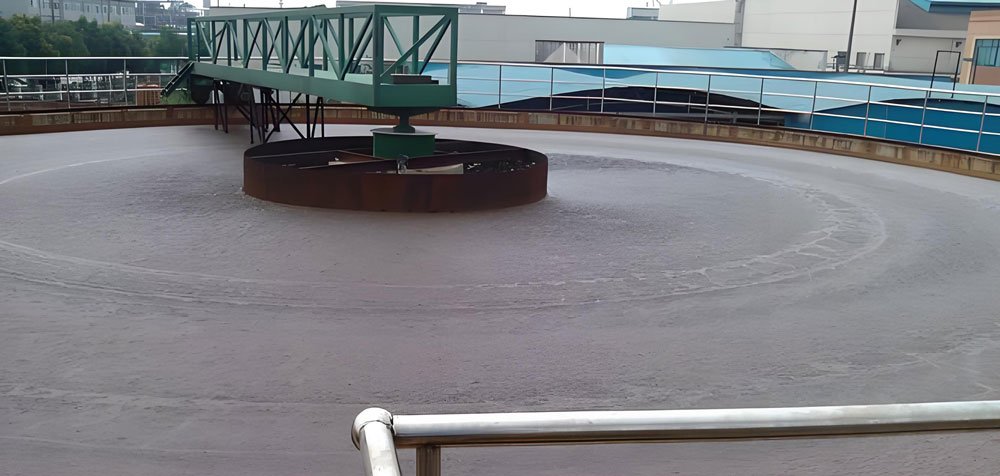
Primary sludge transfer mainly involves the formation of settled sludge through the settling of suspended solids. This sludge contains a large amount of organic solids, a small amount of mud and sand, and fibers. Pumping primary sludge for extended periods can cause severe impeller wear. Primary sludge pumps use highly wear-resistant impellers to minimize wear and extend service life.
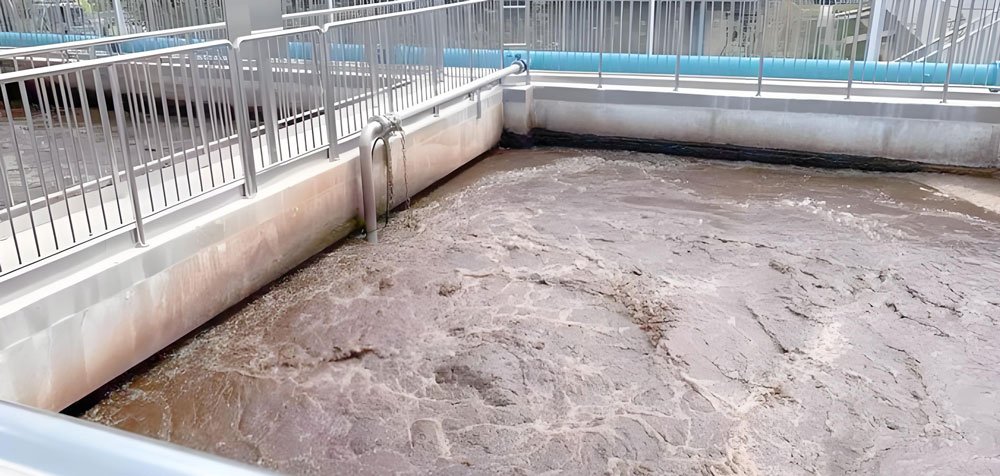
Activated Sludge Recirculation
Activated sludge contains a large number of bacterial communities. These microorganisms are responsible for degrading organic pollutants. In order to maintain the bacterial activity and concentration of activated sludge, it usually needs to run around the clock and has strict shear force requirements to ensure that the bacterial community is not damaged. We recommend using a return activated sludge pump or RAS pump.
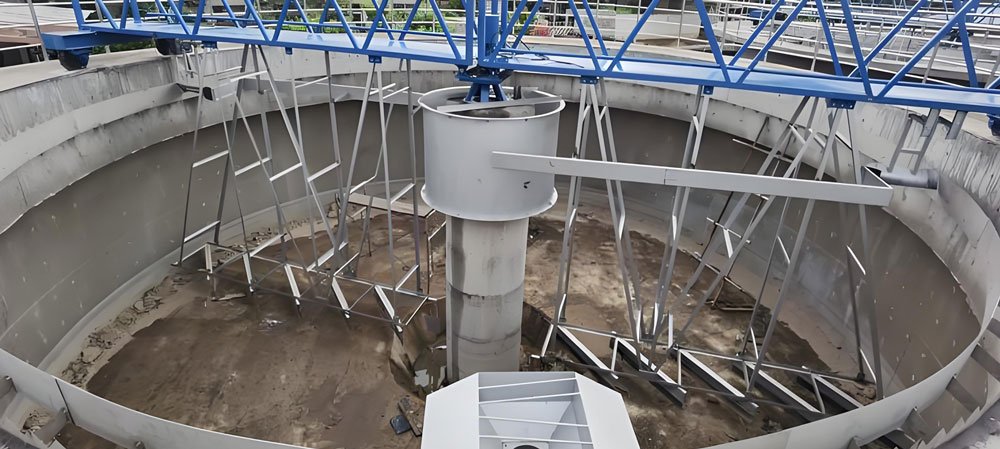
Waste Activated Sludge Transfer
Unlike the activated sludge recirculation we discussed above, waste activated sludge transfer is responsible for removing excess bacteria to prevent dysbiosis. In this stage, the solid concentration and viscosity of sludge are higher, which can easily cause blockages. Wastewater sludge pumps and WAS pumps can effectively avoid these problems.
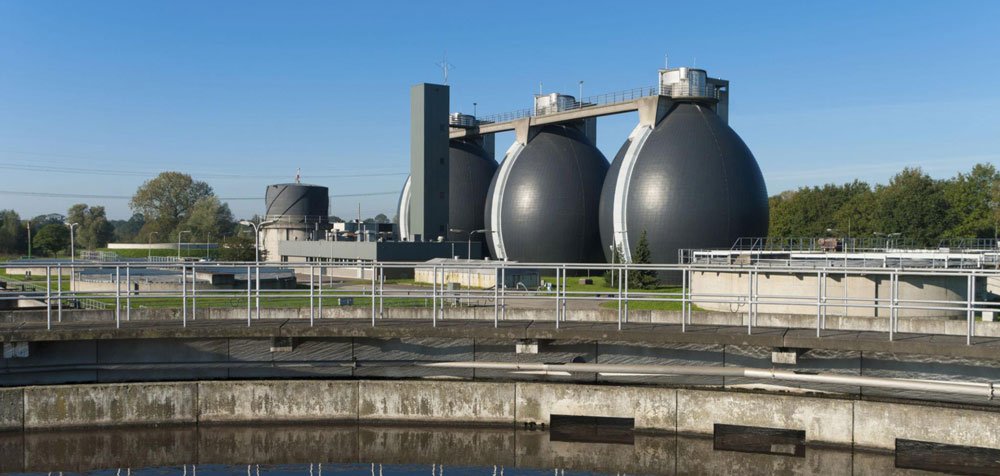
Digested Sludge Transfer
During the digested sludge transfer process, the microbial decomposition of organic matter produces a significant amount of gas, including methane and biogas. Furthermore, the digested sludge has a solids concentration between 4% and 13%, high viscosity, and poor flowability. We recommend using a digested sludge pump in this process, as it can effectively prevent cavitation and clogging.
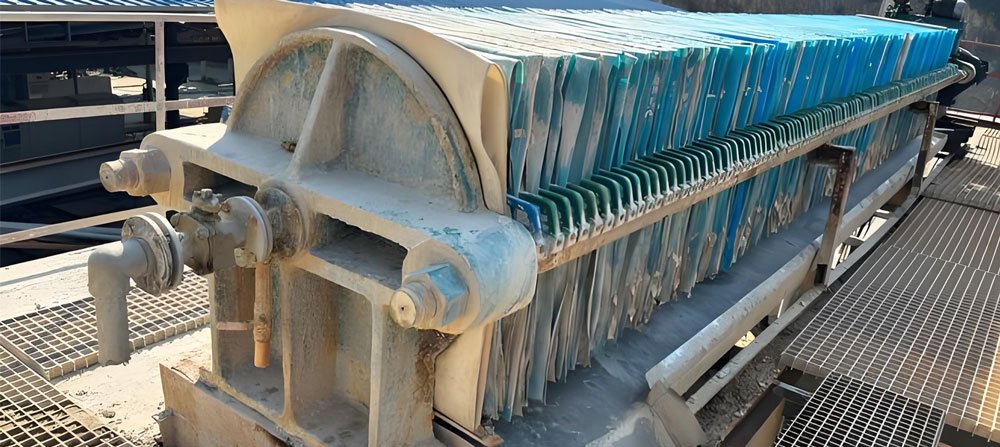
Sludge Dewatering Feed
Sludge dewatering feed is one of the most important processes in sludge treatment. The concentrated sludge is transported to the filter press for dewatering via a filter press feed pump or centrifuge feed pump. The solid content of the concentrated sludge is between 6% and 21%, which requires the pumping equipment to have high feed pressure and abrasion resistance.
Effluent Water Transfer
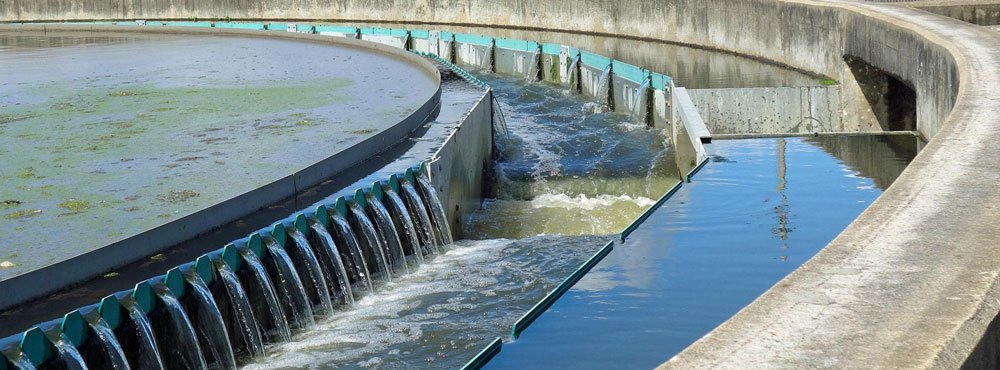
Effluent water transfer is the final step in sewage treatment. Its main function is to deliver clean water to irrigate farmland, rivers, and other areas. Clean water contains almost no solids, and we recommend using a treated water pump or end suction pump.
Have sludge data, solids content information, or wastewater treatment project requirements?
Send them to info@kingdagroup.com for a customized pumping solution built for demanding wastewater applications.
Recommended Pumps for Wastewater Treatment
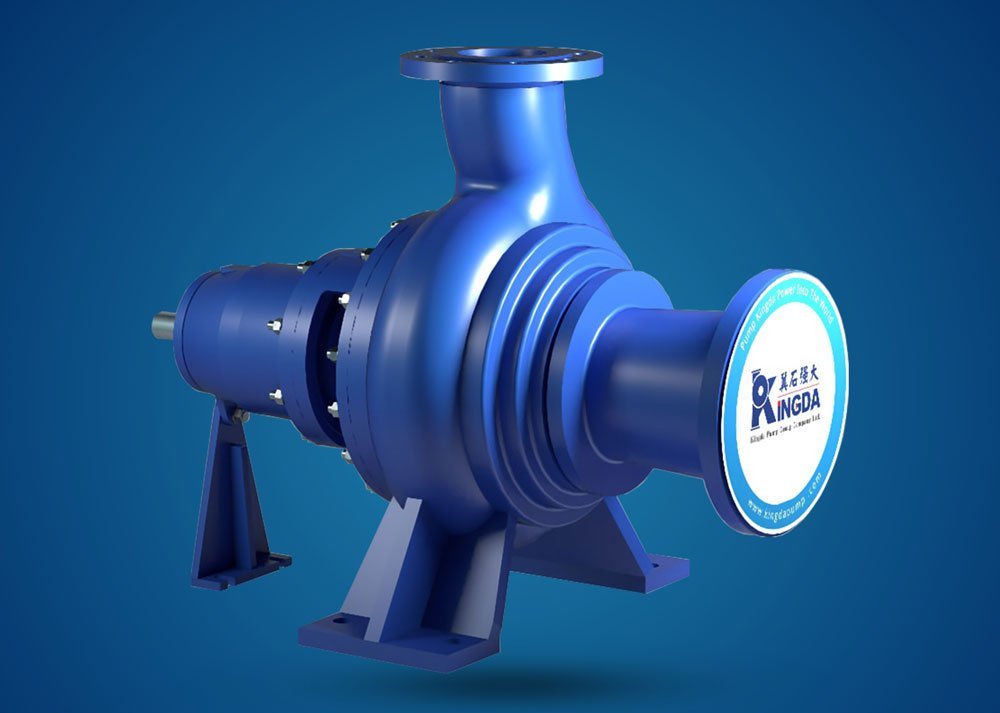
Sewage Pump
- Discharge Diameter (mm):40 ~ 500
- Capability (m³/h):50 ~ 18000
- Head (m):15 ~ 50
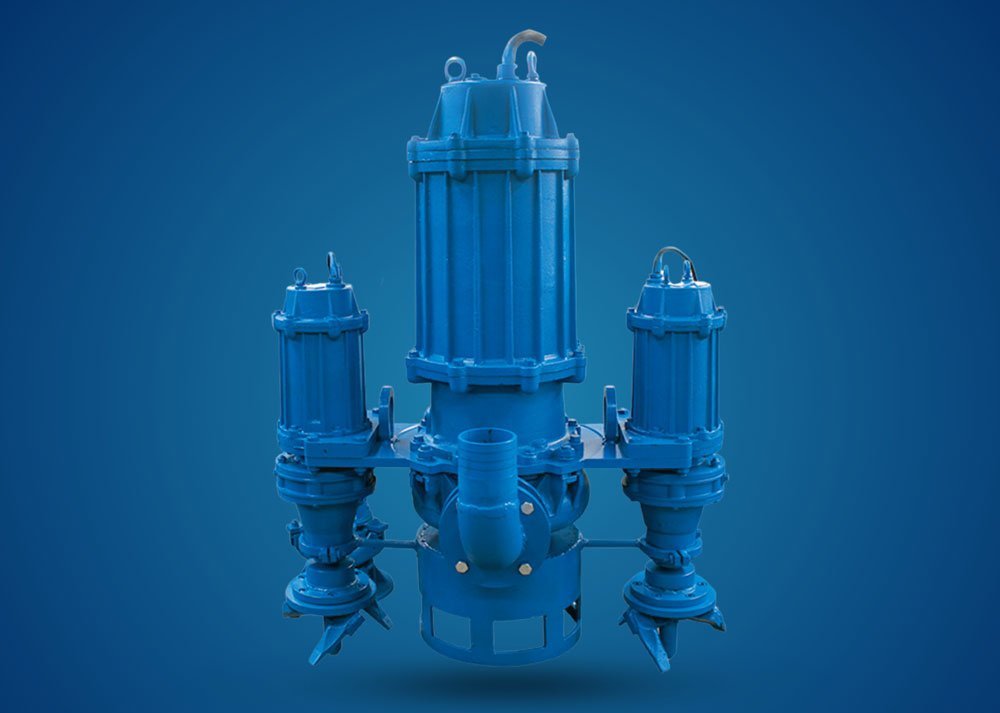
Submersible Slurry Pump
- Discharge Diameter (mm):50 ~ 350
- Capability (m³/h):30 ~ 3500
- Head (m):10 ~ 120
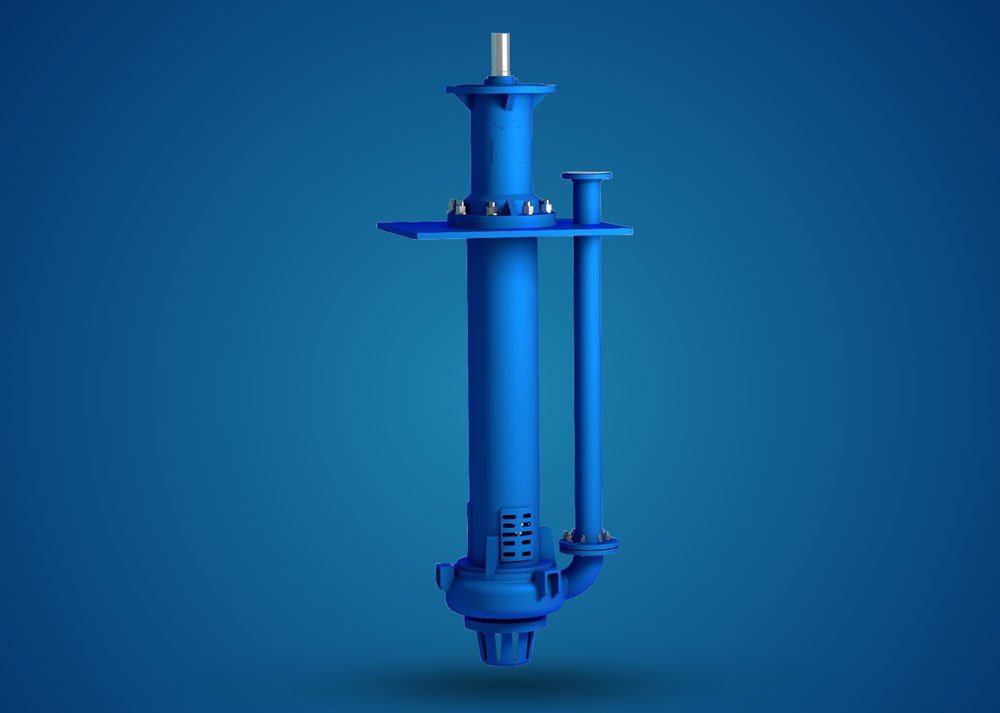
Vertical Sump Pump
- Discharge Diameter (mm):40 ~ 300
- Capability (m³/h):18 ~ 1267
- Head (m):4 ~ 40
Industrial Wastewater Pump for Wastewater Treatment Pumping Solutions
To address the frequent clogging issues of traditional wastewater pumps, Kingda engineers effectively prevented clogging and entanglement caused by high-solids slurry, fibers, and debris by widening the fluid flow path and optimizing the impeller structure.
The Horizontal structure offers greater stability, maintaining excellent delivery efficiency even under high flow and high pressure conditions.
To achieve optimal wear life, Kingda engineers optimized the materials used in the wet end parts. High-quality wear-resistant alloys resist prolonged erosion by solid particles, maximizing the service life of the pumping equipment.
Vertical Sump Pump for Mining, Industrial, Municipal Wastewater
The Kingda vertical sump pump features an inlet that can be fitted with an agitator, allowing sediment to flow smoothly into the pump and preventing clogging. The pump motor is positioned above the water level for easier maintenance.
The wet end parts of the vertical sump pump are made of a high-wear-resistant alloy, enabling efficient handling of hard gravel and high-concentration slurry, and offering an excellent service life.
The vertical sump pump can handle most industrial wastewater, including domestic sewage treatment, power plant circulating water, and paper mill pulp pumping, and can handle abrasive and corrosive wastewater.
Proven Solutions Backed by Project Results
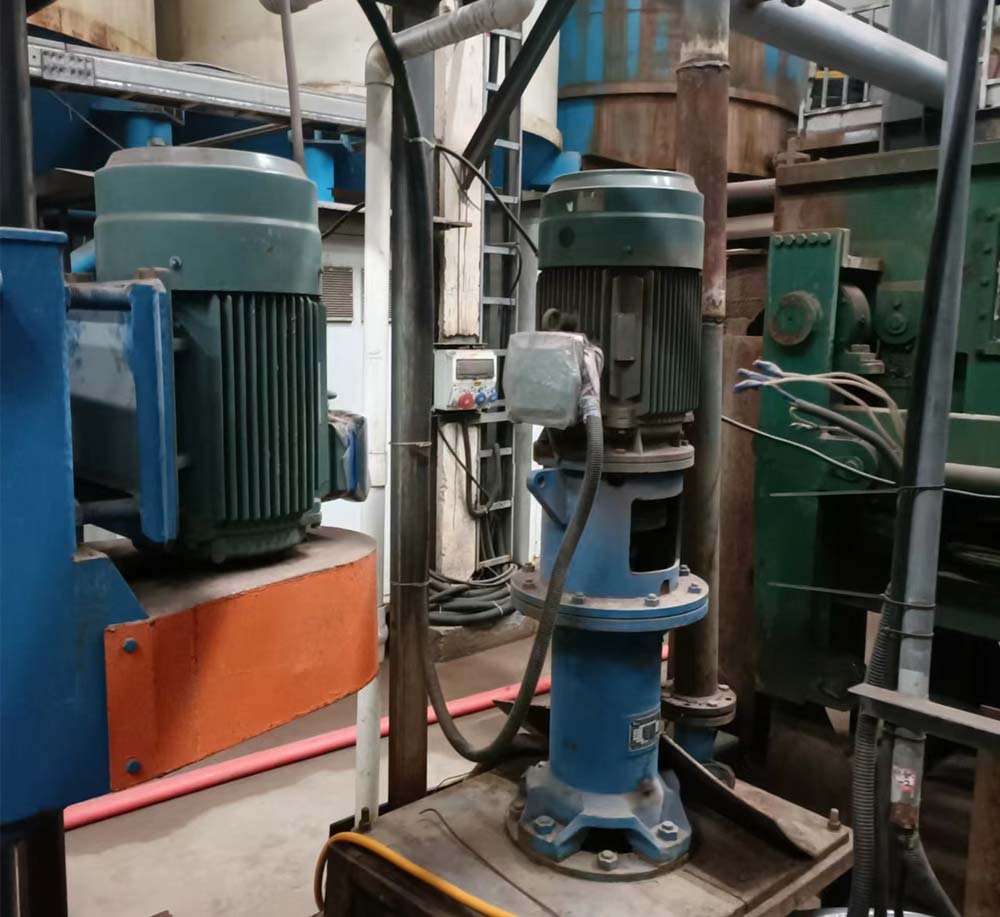
Municipal Wastewater Sludge Transfer Project
This project is a wastewater treatment plant located in Ulanqab Prefecture, covering an area of 75,000 square meters, with a daily wastewater treatment capacity of 30,000 cubic meters. It primarily collects and treats domestic sewage from the region, serving an area of approximately 10 square kilometers.
The project involves raw sewage transfer, grit removal, and sludge transport. The raw sewage contains a large amount of sediment, sludge, long fibers, and domestic waste, making it highly susceptible to entanglement and clogging. Furthermore, the high concentration of sediment exhibits strong abrasive properties.
Kingda has addressed this issue by using highly efficient anti-clogging impellers and highly wear-resistant metal alloys, effectively preventing clogging and wear problems and enhancing the plant’s reliability during continuous operation.
Mining Wastewater Dewatering & Tailings Transfer Project
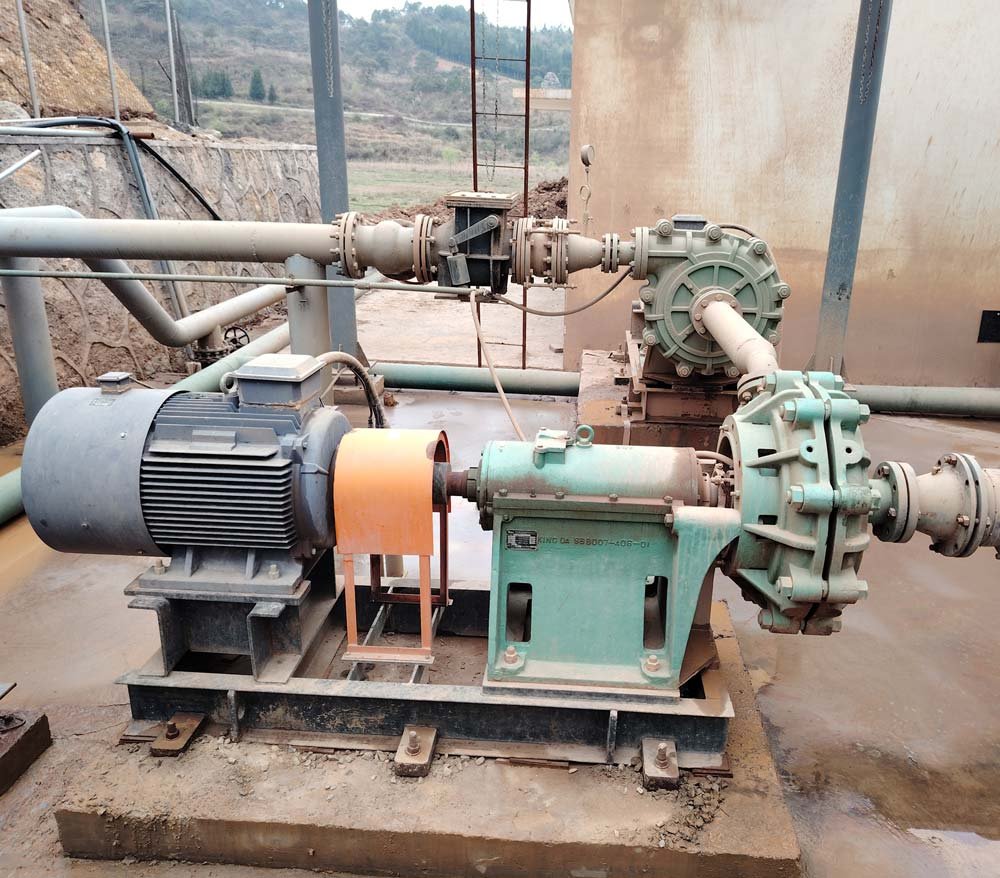
This project is located in Guizhou, China, and is primarily a gold mining and beneficiation operation. The project generates a large amount of wastewater containing solid particles during production, such as mining drainage, beneficiation wastewater, and tailings return water.
The wastewater contains numerous fine ore particles that are hard and highly abrasive to pumping equipment and pipelines. Furthermore, the beneficiation wastewater contains acidic and alkaline substances, which accelerate corrosion upon prolonged contact with metals.
To address these harsh operating conditions, Kingda designed a heavy-duty slurry pump solution. By reinforcing the slurry pump structure and selecting wear-resistant materials, the solution effectively reduces wear on the pumping equipment, maximizes its service life, and enhances the stability of the ore production system.
Get free pump selection tips from Kingda experts.
Kingda is committed to providing the best fluid transfer solutions.
Contact Kingda for a free quote, pump selection, engineering advice, and pump maintenance tips.
FAQ
Sludge transfer pumps are the most suitable for sludge transfer. Of course, there are several types of sludge transfer pumps, the most common being positive displacement, centrifugal, and submersible pumps.
For fluids with high viscosity and poor flowability, positive displacement pumps, such as screw pumps and diaphragm pumps, are generally used. For fluids with high flowability and strong abrasiveness, centrifugal and submersible pumps are recommended.
Pumping wastewater with solids requires the use of solids handling pumps with anti-clogging and abrasion-resistant designs, such as industrial wastewater pumps, submersible slurry pumps, and screw pumps, to avoid solid particles, fibers, and other debris clogging pipes or entanglement in the impeller.
Sewage pumps are suitable for pumping industrial wastewater and municipal sewage containing suspended solids such as small particles, soft solids, and fibrous materials. Slurry pumps have stronger resistance to abrasion and corrosion, making them suitable for pumping hard solids, gravel, sand, and other highly abrasive slurries.
Chopper pumps and grinder pumps are best suited for pumping fibrous sludge. These volumetric pumps are better able to handle thick fibrous sludge because their chucks pre-crush and tear long fibers and debris, allowing the sludge to enter the pump smoothly and preventing blockages.
Positive displacement pumps are best suited for transporting thickened sludge. The internal components of a positive displacement pump move periodically, squeezing and pushing the viscous slurry to the outlet. This avoids the clogging issues that occur with centrifugal pumps and effectively protects the microbial community in the thickened sludge.
When selecting a sludge pump, it's essential to first understand the viscosity, solids concentration, and abrasiveness of the medium being pumped. You also need to determine the required flow rate and head for your project, and choose a suitable electric motor or diesel engine to ensure the sludge pump maintains good pumping efficiency.
Of course, selecting only the sludge pump is only one part of the process. A professional engineer is also needed to design a comprehensive sludge pumping solution to ensure efficient operation.