Slurry Pump Solutions for Mining & Mineral Processing
In mining applications, slurry pumps are crucial for conveying solid-liquid mixtures containing highly abrasive and dense materials.
Heavy-duty horizontal slurry pumps, submerisble slurry pumps, and vertical sump pumps are commonly used to address tailings, processed materials, and hydrocyclone feeding issues in mining operations.
Mining Slurry Handling Challenges
Undoubtedly, conveying mining materials is a very demanding application, which involves many challenges such as abrasion, high solids, downtime costs, and maintenance. This means that conveying equipment must have extremely high stability, wear resistance, and corrosion resistance.
- Abrasion
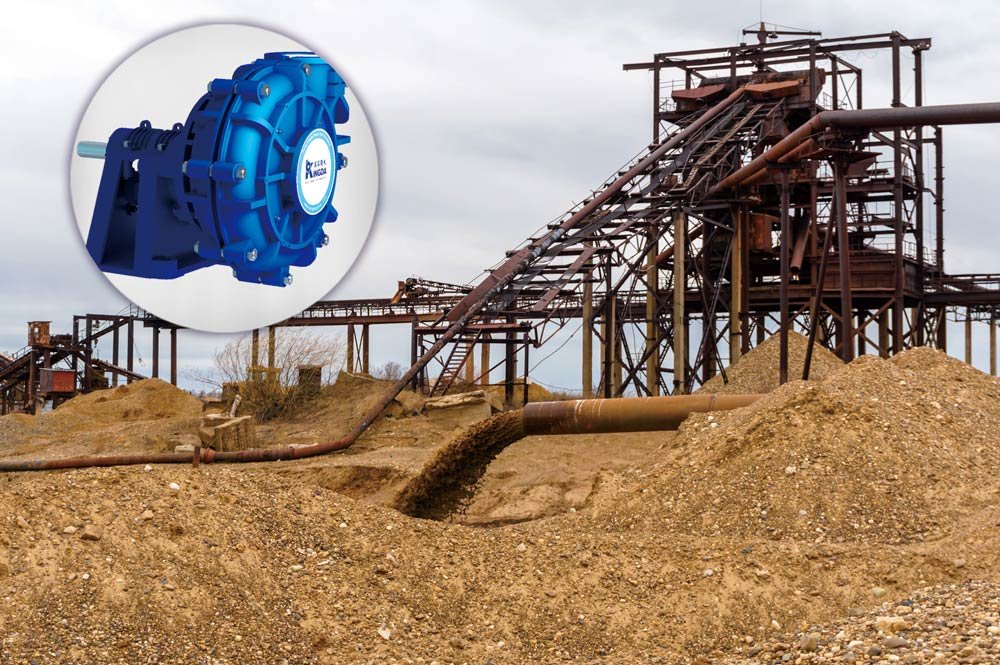
Wear and tear is a primary concern in mining operations. Tailings, wastewater, and milling materials, including gravel, silt, and even irregularly shaped, sharp, hard solids, pose significant challenges to conveying equipment (mining slurry pumps).
Highly wear-resistant mining pumps can withstand the friction of abrasive solids on the pump body for extended periods, which positively impacts the service life of the conveying equipment.
- High Solids
Just as water pumps experience reduced efficiency and even blockages when containing a lot of sand, reducing their lifespan, this is similar to pumping materials in a mine. High-solids slurry significantly impacts transport efficiency and throughput. Therefore, we need a pump capable of handling high-solids, large-diameter solids smoothly – a heavy-duty slurry pump.
- Downtime Cost
In mining operations, stability is a crucial indicator for ensuring work efficiency and cost control. Reducing the frequency and duration of downtime effectively lowers the lifecycle operating costs of conveying equipment.
Using materials such as high-chromium alloys and wear-resistant rubber can significantly increase wear life, thereby reducing maintenance frequency and downtime costs.
The Kingda M250KSH Hevay Duty Slurry Pump features an engineer-optimized anti-clogging impeller and wide flow channels, facilitating the passage of solids. Even with fluids containing large-diameter gravel or long fibers, the KSH slurry pump handles them with ease, maintaining high pumping efficiency.
The M250KSH boasts a unique Gland Seal Water System, providing a stable, clean, and pressurized sealing water supply to the slurry pump shaft seal. This ensures leak prevention, cooling lubrication, and wear protection, maximizing service life.
Key Applications in Mining & Mineral Processing
Mining Dewatering Systems
Mining dewatering systems are critical facilities that ensure the smooth operation of mining operations. During the mining process, dewatering systems are used to treat groundwater, open-pit mine sump water, rainwater, and slurry, ensuring that these wastewaters can be discharged from the mine in a timely manner, thereby preventing equipment from being flooded and damaged.
Grinding & Classification
Grinding and classification are the core processes of a mineral processing plant. Ball mills grind the ore to a suitable particle size and classify it, with coarse particles returned to the ball mill for further grinding. In this process, slurry pumps are key equipment, including cyclone feed pumps and mill discharge pumps.
The cyclone feed pump pressurizes the slurry and conveys it to the hydrocyclone. After classification, the particles are separated into fine and coarse particles. The fine particles enter the flotation process, while the coarse particles are returned to the ball mill for further grinding by the mill discharge pump.
Froth Flotation Circuits
Froth flotation circuits are the core of the mineral processing flow. They use reagents to generate froth, separating minerals and achieving mineral extraction.
This includes key equipment such as froth pumps to ensure the recovery efficiency of the multi-stage circulation system, improve mineral quality, reduce wear and clogging caused by high solids and large particles, and provide a stable flow rate to the flotation circuit system.
Tailings Transport
Tailings transportation is a crucial process at the end of a mineral processing plant, responsible for transporting wastewater from flotation, classification, and other processes to tailings ponds or mining dewatering systems.
Long-distance transport and wear are major challenges in tailings transportation. Booster station systems enable stable transport over extremely long distances, and the use of wear-resistant materials extends the pump’s service life.
Have drawings or specs?
Email them to info@kingdagroup.com for a faster, tailored quote.

Mine Dewatering Pump
Extracting highly abrasive mineral wastewater and stagnant water from harsh mining environments.

Froth Pump
To prevent air lock or cavitation when conveying foam slurry or slag slurry with high gas content.


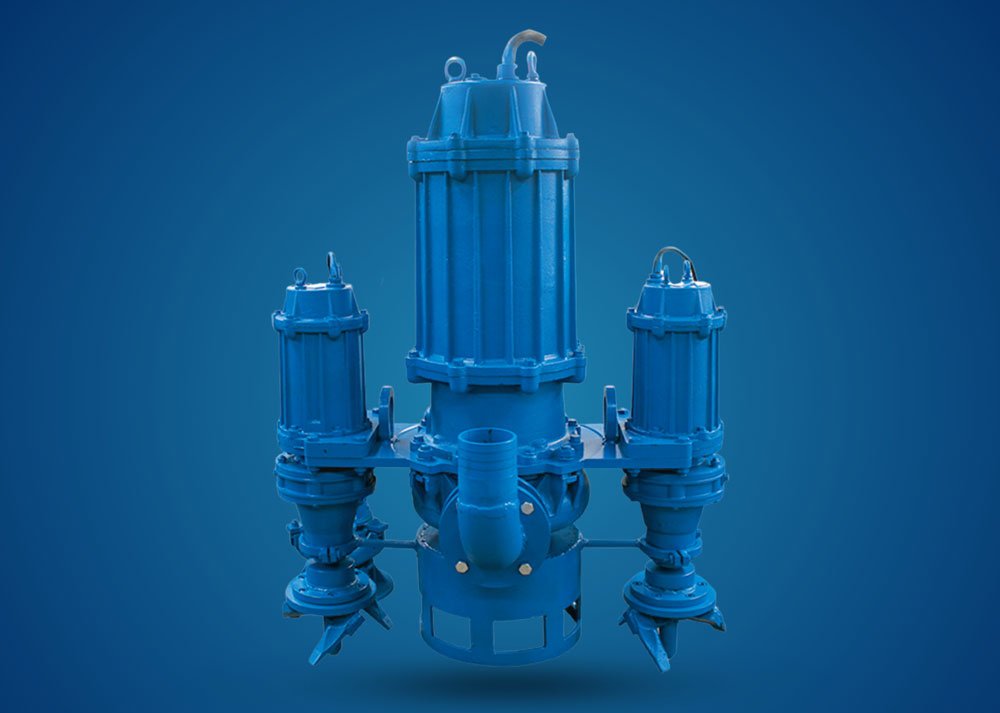
Mining Submersible Pump
It operates fully submerged in slurry, and its superior anti-clogging design ensures long-term operation.

Vertical Sump Pump
Vertical sewage pumps are equipped with filters to remove solids or fibers that may clog the pump body.
Froth Pump | Anti-Cavitation, Wear-Resistant, High Efficiency
For this project, we designed a comprehensive and efficient fluid delivery system for a subway tunnel boring machine (TBM), enabling the extraction of high-solids slurry from vertical shafts nearly 100 meters deep.
A Booster Station was installed at the bottom of the deep shaft. By monitoring the pump’s real-time flow rate, it provides stable pressure throughout the entire pumping and delivery system, keeping the delivery system in optimal condition and enabling ultra-long-distance, high-pressure delivery.
Mill Discharge Pump | Wear-Resistant, Heavy-Duty Slurry Handling
The Kingda mill discharge pump is designed for mineral processing and beneficiation systems, enabling stable operation in the harshest environments. It easily conveys highly abrasive slurries containing large amounts of solid particles.
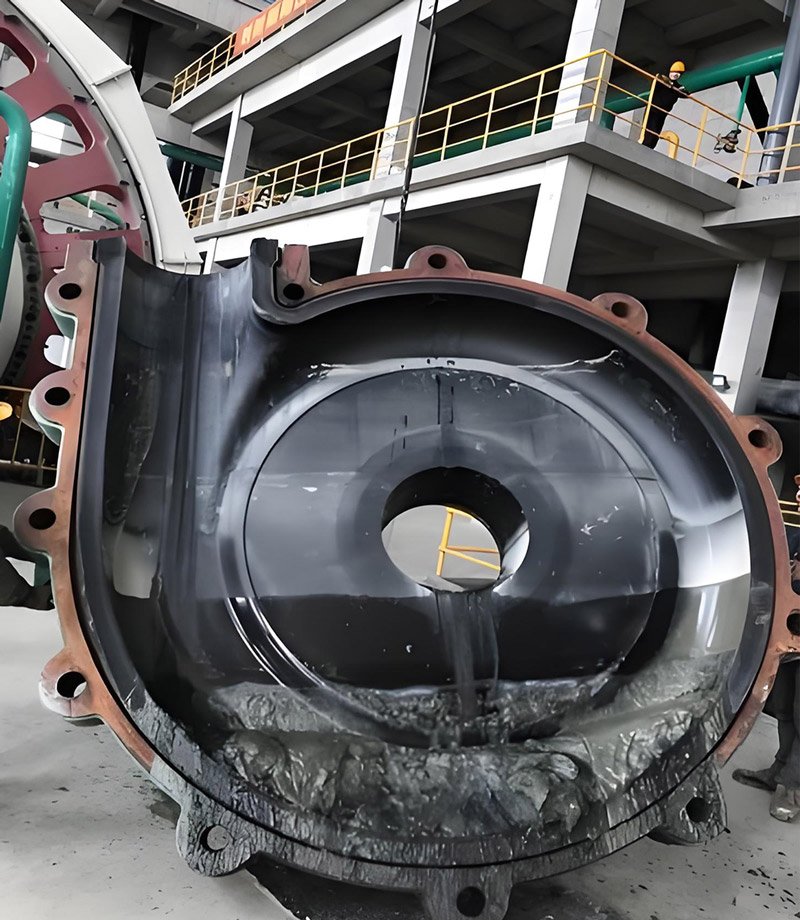
The pump casing features a thickened design and uses a high-chromium alloy as the material, resulting in a longer wear life than ordinary slurry pumps. Wet end parts can be made of rubber or a rubber-metal composite material, depending on the medium being pumped, to maximize service life.
Engineering Solutions for Abrasive Slurry
🔸 Wear-Resistant Materials
Wear life of pump components remains a challenge in the mining industry. Hard quartz sand, gravel, and other materials in slurry can cause severe wear to pipes, impellers, and volutes when moving at high speeds.
To achieve optimal wear resistance, Kingda engineers have developed different wear-resistant materials for various applications, including high-chromium alloys, elastic rubber, and ceramics. The optimally matched material can significantly extend the service life of the slurry pump.
🔸 Hydraulic Design
Excellent hydraulic design ensures superior conveying efficiency, meaning not only a stable flow rate but also reduced overall power consumption of the conveying equipment.
Kingda engineers optimized the impeller’s hydraulic design, increasing the width of the flow channel. This not only improved the throughput of solids but also significantly increased conveying efficiency, enabling long-term, stable delivery of highly abrasive materials to mines without clogging.
🔸 Sealing Systems
The sealing system is a crucial component of conveying equipment. Damage to the sealing system can lead to leaked slurry that not only damages and corrodes the pump but also reduces flow rate and increases energy consumption.
Our engineers developed the Gland Seal Water System, which reliably provides clean, pressurized sealing water to the slurry pump, preventing leaks and wear, and significantly extending the lifespan of the conveying equipment.


Proven Solutions Backed by Project Results
Cyclone Feed Pump
This is an iron ore mine located in the Russian Far East. The mining group uses Kingda R250KSH pumps as cyclone feed pumps in its hydrocyclones.
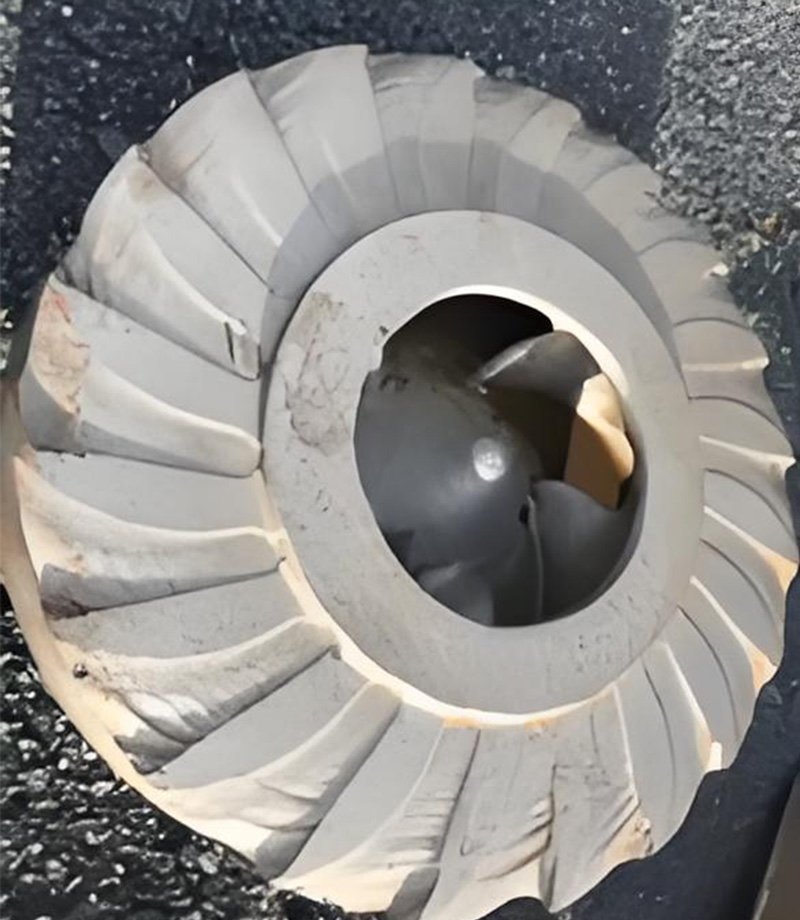
Our maintenance engineers conducted routine inspections of the pumps after 2 months and 12 months of use, respectively, and found that the pump’s rubber lining and impeller showed almost no wear.
Mill Discharge Pump
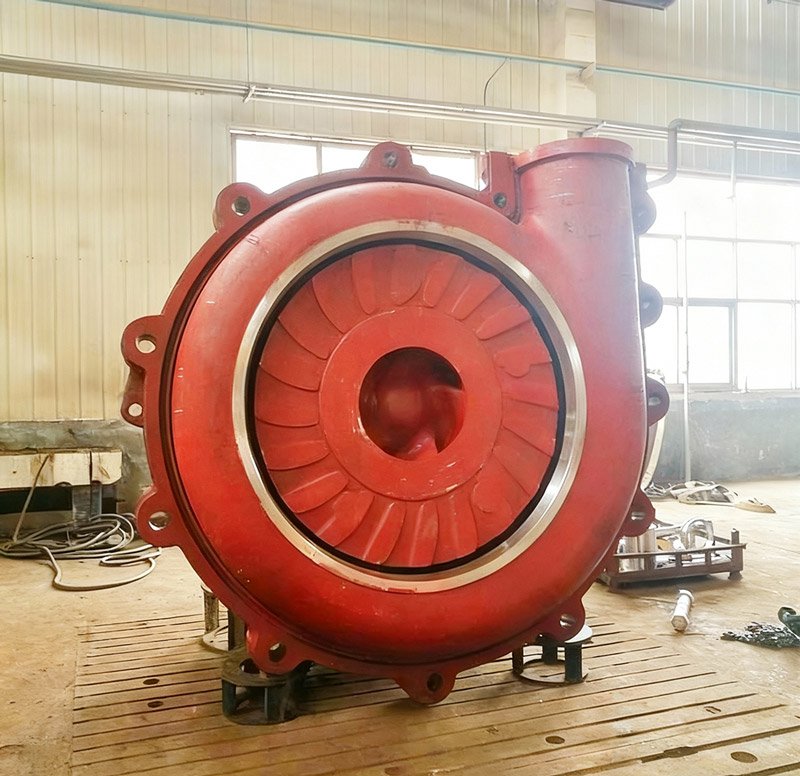
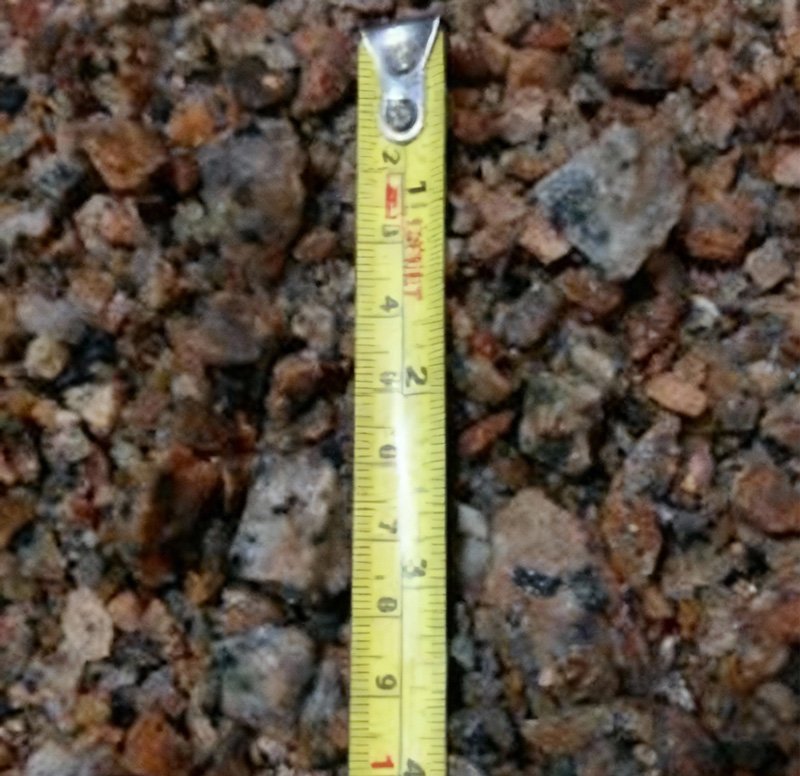
A South African iron ore mine requires the conveying of hard, large-diameter solid particles during its grinding and classification processes. These sharp-shaped gravels pose a significant challenge to the mill discharge pump‘s wear resistance and reliability.
Our engineers addressed this issue by using high-chromium alloy materials for the volute and impeller, effectively reducing maintenance frequency, improving efficiency, and maximizing service life.
Mineral Processing Pumps Spares & Parts
| Wet End Wear Parts | Bearing Parts | Shaft Seal Parts | Other Parts |
|---|---|---|---|
| | |||
| | | ||
| | | ||
| | | | |
| | | | |
| | | |
Get free pump selection tips from Kingda experts.
Kingda is committed to providing the best fluid transfer solutions.
Contact Kingda for a free quote, pump selection, engineering advice, and pump maintenance tips.
FAQ
Centrifugal slurry pumps are commonly used in mineral processing. They offer superior wear and corrosion resistance compared to conventional water pumps, and can withstand the friction from high-speed moving hard particles.
Mineral processing pumps are generally available in horizontal, vertical, and submersible types. More detailed classifications exist based on different applications, such as froth pumps, mine dewatering pumps, cyclone feed pumps, mining submersible pumps, and vertical sump pumps.
To select the right slurry pump for the mining industry, the first step is to determine the operating conditions, such as underground mines or water-filled pits. Secondly, the appropriate pump type must be selected based on the characteristics of the slurry being pumped (particle density, viscosity, abrasiveness, corrosiveness), the required flow rate, and the pressure.
Slurry pumps are crucial equipment in the entire mining process; they are arguably the heart of the machine.
From the initial grinding in mining, to hydrocyclone classification, flotation, and tailings treatment, slurry pumps participate in almost every stage. By transporting slurry through each step, the entire mining process can proceed smoothly.
During mining dewatering, large quantities of slurry, wastewater, and circulating water containing abrasive particles are transported. This necessitates the use of highly abrasion-resistant and corrosive slurry pumps, such as heavy-duty pumps, vertical sump pumps, and submersible slurry pumps.
Kingda mine dewatering pumps are specifically designed for mine drainage, constructed from highly abrasion-resistant materials, and can withstand the erosion of abrasive and corrosive particles for extended periods, providing stable flow and pressure for the mine dewatering system.
In mine froth flotation systems, a significant amount of chemical waste liquid needs to be treated. This waste liquid is not only highly corrosive but also contains a lot of foam, which can even cause cavitation with ordinary slurry pumps.
In this case, we recommend using a froth pump specifically designed for froth flotation. Its unique induced-flow impeller can break up the foam in advance, allowing the slurry to enter the pump smoothly, avoiding cavitation, and improving conveying efficiency.